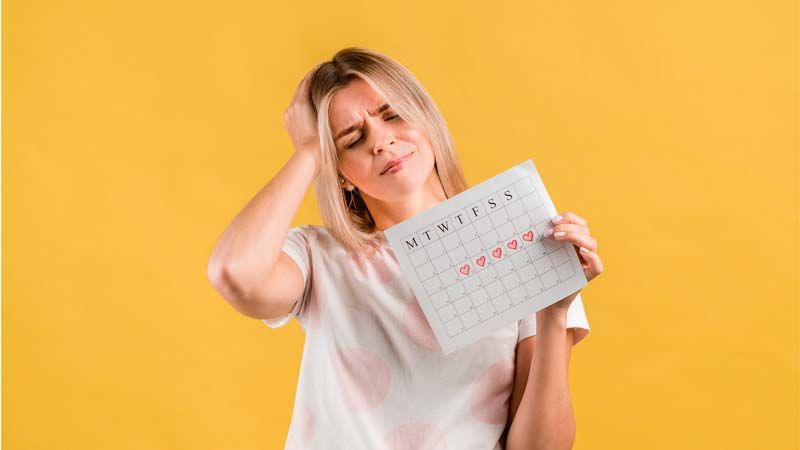
Life rarely moves in a straight line. Tight deadlines, family responsibilities, financial pressures, health concerns, and constant digital noise keep the mind switched on almost all the time. While stress may feel like a mental experience, your body feels it just as deeply. One of the first systems to react to ongoing stress is your menstrual cycle.
If your periods have become irregular, delayed, unusually painful, or unexpectedly heavy, stress may be playing a bigger role than you realize. Understanding this connection empowers you to protect both hormonal health and overall well-being.
Let us explore how stress affects your periods, what signs to watch for, and what you can do to restore balance naturally. For personalized guidance on stress management, hormonal wellness, and lifestyle optimization, explore expert programs at The Wellness Corner.
Also Read: Period Facts You Probably Didn’t Know! These Will Blow Your Mind!
Your menstrual cycle is regulated by a delicate conversation between the brain, ovaries, and endocrine glands. This communication system relies heavily on hormonal signals that follow predictable rhythms.
When stress enters the picture, the body releases cortisol and adrenaline to prepare for a perceived threat. These stress hormones can interfere with the production of reproductive hormones such as estrogen and progesterone. When cortisol remains elevated for extended periods, it disrupts ovulation timing and hormone balance.
The body prioritizes survival over reproduction during prolonged stress. This is a natural biological response designed to protect you in emergencies, but when stress becomes chronic, menstrual health often suffers.
Delayed periods or missed cycles are among the most common stress-related changes. High cortisol levels can suppress the signals from the brain that trigger ovulation. Without ovulation, the hormonal cascade that leads to menstruation may not occur on schedule.
Even a short burst of intense stress, such as travel, illness, exams, or emotional upheaval, can temporarily delay your cycle. Long-term stress increases the likelihood of irregular cycles becoming the norm.
If pregnancy and medical conditions are ruled out, stress is often the hidden factor.
Also Read: Delayed Periods? Know Why...
Some individuals experience heavier bleeding, stronger cramps, or increased clotting during stressful phases of life. Stress can influence inflammation levels, blood vessel constriction, and uterine muscle contractions.
Poor sleep, nutritional imbalances, dehydration, and caffeine overuse often accompany high stress levels and may worsen menstrual discomfort. Stress can also amplify pain perception, making cramps feel more intense than usual.
Listening to these signals early allows you to address the root cause rather than only managing symptoms.
Hormones influence neurotransmitters such as serotonin and dopamine, which regulate mood. When stress disrupts hormonal balance, emotional sensitivity may increase during the premenstrual phase.
You may notice heightened irritability, anxiety, low motivation, or tearfulness. These emotional fluctuations are not a sign of weakness. They reflect the physiological interaction between stress hormones and reproductive hormones.
Stabilizing stress levels often brings noticeable emotional steadiness back into the cycle.
Also Read: 10 Natural Ways To Balance Your Hormones
Stress often alters appetite patterns. Some individuals lose their appetite while others crave comfort foods high in sugar and salt. Combined with disrupted sleep and reduced physical activity, weight fluctuations may follow.
Sudden weight loss or gain can further disturb hormonal balance and ovulation timing. Fat tissue plays a role in estrogen production, so significant changes in body composition influence cycle regularity.
Maintaining stable nutrition and gentle movement supports hormonal harmony even during demanding periods of life.
Sleep quality plays a crucial role in regulating cortisol and reproductive hormones. Chronic stress often disrupts sleep patterns, creating a feedback loop where poor sleep increases stress and worsens hormonal imbalance.
Late nights, screen exposure, irregular sleep timing, and caffeine dependency interfere with melatonin production. This indirectly affects estrogen and progesterone rhythms.
Improving sleep hygiene is one of the most effective yet overlooked strategies for restoring menstrual balance.
Also Read: How Chronic Stress Affects Brain Health?
Your nervous system controls how your body interprets and responds to stress. When the nervous system remains stuck in a constant alert mode, hormonal regulation becomes inconsistent.
Practices that activate the relaxation response, such as breathing exercises, stretching, walking in natural light, journaling, or mindful breaks, help recalibrate nervous system balance.
Even short daily moments of intentional calm create meaningful hormonal benefits over time.
Stress increases the body’s demand for key nutrients such as magnesium, B vitamins, vitamin C, iron, and omega fatty acids. Deficiencies can worsen fatigue, cramps, mood swings, and cycle irregularities.
Balanced meals with adequate protein, whole grains, fruits, vegetables, healthy fats, and hydration support hormonal production and stress resilience. Skipping meals or relying heavily on processed foods increases blood sugar instability, which amplifies cortisol fluctuations.
Nourishing the body consistently provides a foundation for cycle stability.
Also Read: 7 Nutritional Deficiencies Linked To Mood Swings And Irritability
Occasional cycle changes during stressful periods are common and usually temporary. However, medical evaluation is important if you experience persistent missed periods for several months, extremely heavy bleeding, severe pain, unexplained weight changes, or symptoms such as excessive hair growth or acne.
These may signal underlying hormonal conditions that require professional care. Stress management should complement medical guidance when necessary.
Managing stress is not about eliminating responsibilities or achieving constant calm. It is about building resilience, recovery habits, and realistic boundaries.
Simple practices such as consistent sleep timing, daily movement, balanced meals, hydration, digital breaks, and emotional check ins gradually strengthen your nervous system and hormonal stability.
Consistency matters more than perfection.
Your menstrual cycle provides insight into how your body is coping with life demands. Changes in timing, flow, pain, and mood often reflect internal stress levels before other symptoms appear.
Instead of ignoring these signals, view them as feedback guiding you toward better self-care and balance.
If stress is affecting your energy, hormones, sleep, or menstrual health, professional guidance can help you create a sustainable wellness plan that fits your lifestyle. The Wellness Corner offers personalized programs focused on stress management, nutrition optimization, hormonal balance, and long-term vitality.
Your body is always communicating. When you learn to listen and respond with care, balance naturally follows.