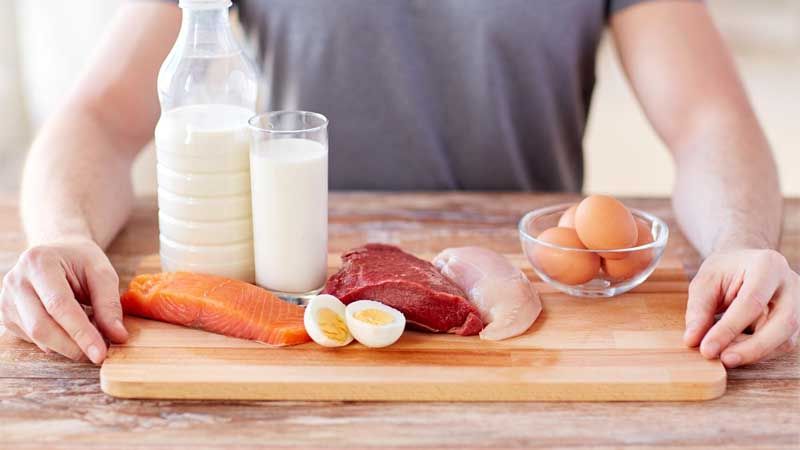
Building muscle is often portrayed as an expensive lifestyle filled with imported supplements, fancy superfoods, and elaborate meal plans. Walk through social media, and you will see protein shakes stacked like trophies and grocery carts overflowing with premium labels. It creates the impression that muscle growth is only for those with deep pockets.
The truth is refreshingly different. Muscle gain depends far more on consistency, smart food choices, and balanced nutrition than on expensive products. With a little planning and creativity, you can fuel muscle growth without stretching your monthly budget.
This practical guide breaks down how to build high-protein meals that are affordable, accessible, and sustainable for everyday life. And if you want personalized nutrition and fitness guidance tailored to your goals, The Wellness Corner is always ready to support your journey.
Also Read: How Building Muscle Prevents Injuries And Age-Related Illnesses?
Muscle growth happens when protein intake supports muscle repair after training and when your body receives enough energy to recover. Protein supplies amino acids that rebuild muscle fibers, while carbohydrates fuel workouts and fats support hormone balance.
Most active adults benefit from spreading protein intake evenly across meals rather than loading it into one shake. Whole foods often provide better nutrient diversity and digestion benefits compared to heavy reliance on supplements.
Budget-friendly nutrition focuses on consistency and adequacy, not perfection.
Protein requirements vary depending on body weight, training intensity, and goals. A general guideline for muscle gain is roughly 1.0 to 1.2 grams of protein per kilogram of ideal body weight per day. Can range upto 1.5 gm for highly active athletes and those engaged in sports
You do not need to hit an exact number daily. Weekly averages matter more than daily precision. Regular intake across meals improves absorption and muscle protein synthesis.
Affordable sources can easily meet these targets when planned smartly.
Also Read: Indian Foods That Offer Better Fat Balance Than Avocados And More Protein Than Quinoa
High protein does not mean high cost. Many affordable staples provide excellent protein density.
Mixing plant and animal proteins improves amino acid diversity and cost efficiency.
Planning saves more money than chasing discounts. Start with a weekly menu and build a grocery list accordingly. Buying in bulk for staples like lentils, rice, oats, and frozen vegetables reduces per-unit cost.
Seasonal produce is cheaper and nutritionally superior. Local markets often offer better prices than packaged retail stores.
Avoid impulse purchases driven by marketing claims. Protein content can be obtained without fancy labels.
A balanced day does not need complexity.
Breakfast can include a vegetable omelet with toast, paneer bhurji, or oats cooked in milk with nuts.
Lunch may feature dal with rice, curd, vegetable sabzi, or grilled chicken with roti.
Snacks can include boiled eggs, roasted chana, peanut chaat, or yogurt.
Dinner works well with stir fried tofu, lentil soup, fish curry, or bean salads.
Hydration, fruits, and vegetables support recovery and digestion.
Also Read: Yogurt OR Curd? What Is Good For My Health?
Spacing protein across meals improves muscle utilization. Aim for protein in every meal rather than saving it all for one large serving.
Combining protein with carbohydrates supports insulin response and muscle recovery. Adequate sleep allows growth hormone release and tissue repair.
Cooking methods matter too. Light cooking improves digestibility compared to heavy frying.
Batch cooking saves both time and money. Prepare large portions of lentils, grilled proteins, and chopped vegetables once or twice a week. Store them properly to assemble meals quickly.
Freezing portions prevents waste and keeps variety available. Simple spice variations keep meals enjoyable without added cost.
Reusable containers reduce long-term expense.
Supplements can be convenient, but are not mandatory for muscle gain. Whole foods offer better satiety and micronutrients. If your schedule makes protein intake from foods insufficient, a basic whey protein can fill gaps, but it should not replace meals.
Avoid chasing exotic blends or influencer marketing. Simplicity works. You can consult with experts to understand if you need supplementation or if natural foods are sufficient
Also Read: Protein Supplements - Think Before You Grab One!!
Muscle gain requires a mild calorie surplus. Adding inexpensive energy sources like rice, potatoes, oats, bananas, and healthy oils helps meet calorie needs without inflating grocery bills.
Focus on nutrient-dense foods rather than empty calories.
Consistency beats novelty every time.
Also Read: Experts' Review On Packaged Food
Sustainable muscle building is a long-term commitment. Celebrate small strength gains, improved energy, and consistency rather than only scale changes.
Allow flexibility for social meals while maintaining overall balance.
A realistic plan keeps motivation strong.
Everybody responds differently to calories, protein, training load, and recovery. Personalized nutrition planning ensures optimal progress without wasted spending.
If you want expert guidance to build muscles efficiently while staying within budget, The Wellness Corner offers personalized nutrition and fitness coaching designed for real lifestyles.
From meal planning to training optimization, their team helps you achieve sustainable results without unnecessary expenses.
Strong muscles do not require expensive habits, only consistent, smart choices.