The Salad Isn’t Always The Healthiest Choice - Here’s When It’s A Trap
9 months ago
5 minute read.
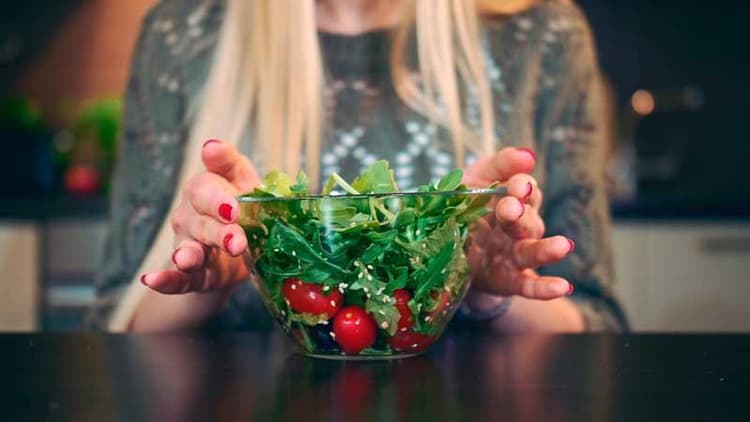
We’ve all been there. You’re at a restaurant trying to make a healthy choice or scanning your food delivery app for something light. You skip the burger, ignore the pasta, and proudly click on that fresh, green salad. But what if we told you that salad might not be the healthiest option on the menu?
Sounds shocking, right? After all, salad is supposed to be the poster child of healthy eating. But here's the truth: not all salads are alike. Some of them are nutritional powerhouses, but many others are nothing more than junk food dressed in a bowl of lettuce.
So when exactly does a salad become a trap? Let’s break it down.
Also Read: Citrus Salads To Boost Your Immunity
1. The Dressing Can Ruin Everything
Let’s start with the sneakiest saboteur: the dressing.
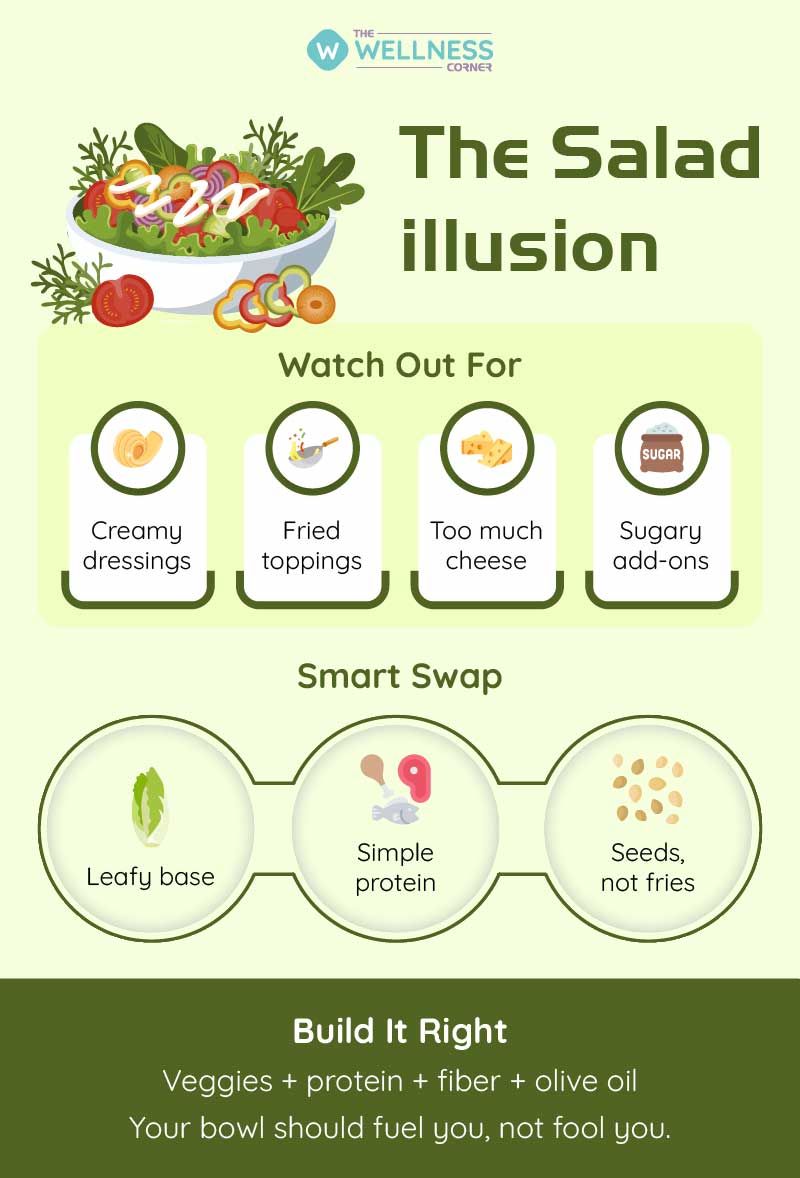
Lemon juice with a spoonful or two of olive oil? Sure, go for it. But many dressings, especially the creamy ones like ranch, Caesar, Thousand Island, blue cheese, and even some vinaigrettes, are full of:
- Saturated fats and trans fats
- Refined sugars
- Preservatives
- High sodium
These dressings can easily add 200 to 500 calories to your salad - sometimes more than a cheeseburger!
Tip: Opt for dressings with simple ingredients or make your own with olive oil, balsamic vinegar, lemon juice, curd based dressings or a bit of mustard and herbs.
2. Toppings That Trick You
It’s easy to get excited by crunchy, flavorful toppings. But what you're actually doing is adding empty calories and processed fats.
Watch out for:
- Croutons
- Fried noodles
- Candied nuts
- Bacon bits
- Crispy chicken strips
- Excess cheese
These are frequently dipped in salt and sugar or deep-fried. While they may taste great, they turn your salad into a calorie bomb.
Tip: Choose toppings like roasted seeds, air-popped or boiled chickpeas, or plain nuts in moderation for healthy crunch.
Also Read: Are All Processed Foods Unhealthy?
3. Protein Overload And Poor Protein Choices
Protein is an essential macronutrient, but the kind and amount you add to your salad matters.
Avoid:
- Breaded or fried meats (chicken tenders, schnitzels, etc.)
- Processed meats (sausages, salami, ham)
- Excess cheese as a protein substitute
These options add unhealthy fats, sodium, and preservatives.
Tip: Go for grilled chicken, tofu, paneer (in moderation), hard-boiled eggs, legumes, or even a scoop of hummus. These will give you the fuel you need without the hidden dangers.
4. Cheese: The Slippery Slope
Cheese can be an excellent source of calcium and protein, but it also contains a lot of calories and saturated fat. A little goes a long way, but many salads are overloaded with shredded cheese, feta, cheddar, or creamy cheese-based dressings.
Tip: Limit cheese to a small amount, about a tablespoon or two. You will be able to taste it without going overboard with fat.
Also Read: All About Cheese!
5. Too Much Fruit And Sugar
Yes, fruits are healthy, but even natural sugars need balance. When your salad is packed with:
- Dried cranberries (often sugar-coated)
- Sweet dressings (like honey mustard)
- Caramelized nuts
- Excess fresh fruit
…it can spike your blood sugar, especially if there's not enough fiber or protein to slow it down.
Tip: Add a few slices of apple, pomegranate seeds, or berries-just enough to add a sweet element without turning your salad into dessert.
6. Store-Bought And Restaurant Salads Can Be Deceiving
Don’t assume that all salads sold at cafes, restaurants, or supermarkets are healthy.
These salads often contain:
- Hidden preservatives
- Sugary dressings
- Low fiber content
- High-fat toppings
- Tiny vegetable servings
Some “light” options can cross 700-1000 calories - more than a full meal!
Tip: Always check nutrition labels when available. If you're ordering out, request dressing on the side and avoid processed toppings.
7. Not Enough Real Vegetables
Believe it or not, some salads barely contain real vegetables! If your salad is mostly:
- Pasta
- Croutons
- Cheese
- Protein
- Dressing
…it’s no longer a salad-it’s a deconstructed sandwich.
Tip: Build your salad on a base of leafy greens (spinach, kale, romaine, arugula), and add a mix of colorful veggies like bell peppers, carrots, cucumbers, tomatoes, beets, and cabbage.
Here's A Recipe: Watermelon Cucumber Salad
8. No Fiber, No Satiety
A salad might look big, but if it’s lacking fiber and complex carbs, you’ll be hungry an hour later. When that happens, you’re more likely to reach for chips, biscuits, or dessert-and cancel out your "healthy" meal.
Tip: Include fiber-rich ingredients like:
- Quinoa
- Brown rice
- Beans or chickpeas
- Sweet potato cubes
- Whole grains
These help keep you full and energized for longer.
9. The “Health Halo” Effect
Here's something most of us fall for: the psychological trap. After eating a salad, you might feel like you've earned a reward-maybe a cookie, a sugary coffee, or a bag of chips.
This “I’ve eaten healthy, now I can indulge” mindset is very common and can unknowingly sabotage your efforts.
Tip: Focus on how the meal makes you feel, not just the label of “healthy.” If you’re still hungry, add a healthy snack, not a sugar spike.
Also Read: Healthy Snacks Under 100 Calories
So, What Makes A Salad Truly Healthy?
A real healthy salad strikes the right balance between nutrients, flavor, and satiety. Here’s what to aim for:
- Base: Leafy greens + colorful vegetables
- Protein: Grilled tofu, legumes, egg, paneer, or chicken
- Healthy fats: Avocado, seeds, a dash of olive oil
- Carbs & Fiber: Quinoa, barley, sweet potato, daliya
- Flavor enhancers: Fresh herbs, lemon juice, spices
- Dressing: Homemade, light, and limited to 1-2 tbsp
Conclusion: Don’t Let The Bowl Fool You
Salads can be wonderful for your health, when made right. But don’t let clever marketing, sugary dressings, or crunchy toppings trick you into eating a meal that’s no better than fast food.
Before you pat yourself on the back for ordering a salad, take a closer look. Is your salad filled with fresh, whole ingredients-or is it drowning in fat, sugar, and sodium?
Because at the end of the day, eating healthy isn’t about what looks good-it’s about what’s in your food.
Leave a Comment
Sign-Up Now & Unlock
₹100 Cashback
Subscribe to our Newsletter!
Get a weekly dose of wellness tips delivered straight to your inbox.
Recently Published
Related Articles


Health Checks @ Home
Service
Explore



Follow us on:


© 2026 Truworth Health Technologies Pvt. Ltd.