This Is What Happens To The Body When You Are Sleep Deprived For A Long Time
7 months ago
5 minute read.
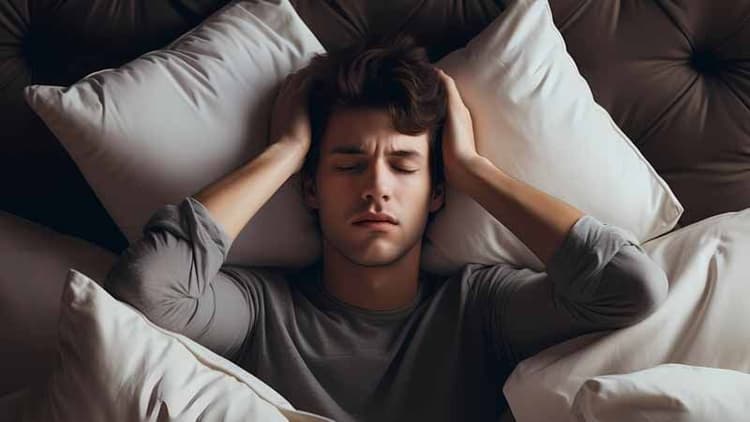
In a world driven by deadlines, digital screens, and endless notifications, sleep often becomes the first sacrifice. Many professionals wear sleep deprivation like a badge of honor, believing productivity thrives on fewer hours of rest. But the human body does not operate on motivation alone. It runs on biology, rhythm, and recovery.
Sleeping for just two hours a night over a prolonged period is not a harmless lifestyle choice. It places enormous stress on nearly every system in the body, silently affecting performance, immunity, mental clarity, emotional balance, and long-term health. The effects may begin subtly, but they compound over time in ways that are difficult to reverse.
Let us explore what truly happens when chronic sleep deprivation becomes your norm, and why prioritizing rest is one of the most powerful wellness investments you can make. If you are ready to reset your sleep and reclaim your energy, expert guidance from The Wellness Corner can support you every step of the way.
Also Read: Five Warning Signs That Your Lack Of Sleep Means It’s Time To Seek Help
Your Brain Slows Down Before You Even Realize It
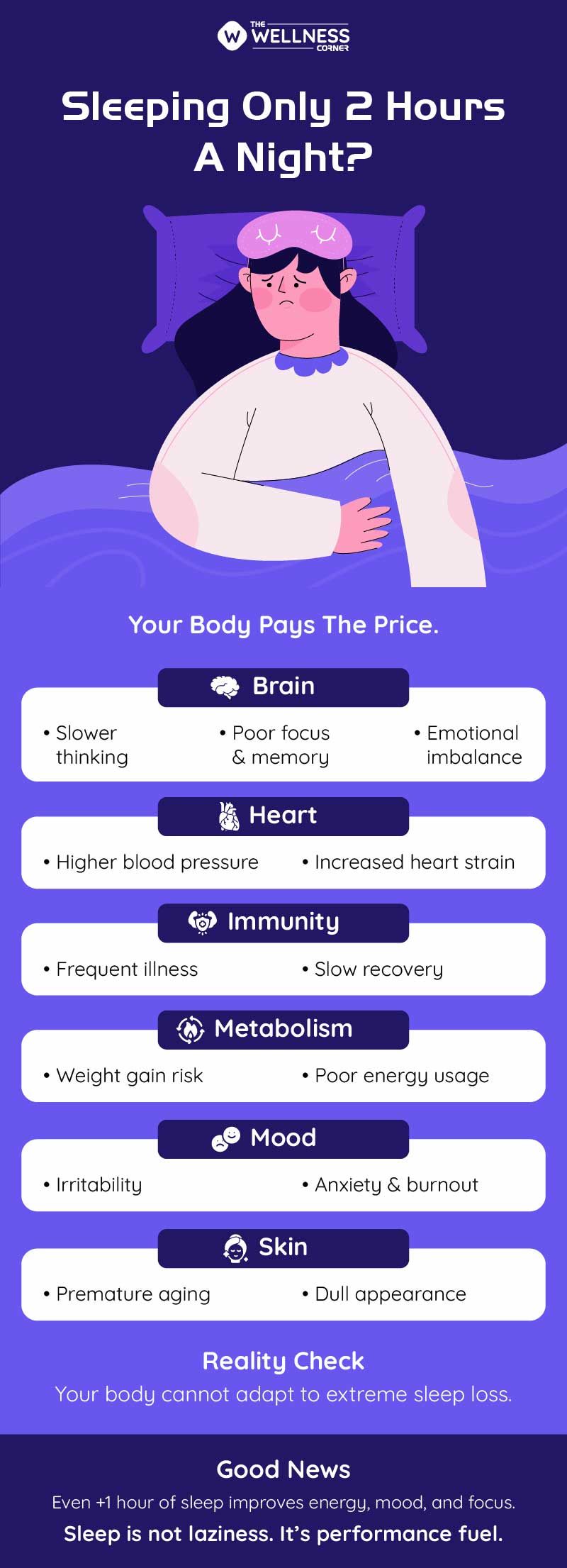
Sleep is the brain’s maintenance window. During deep sleep cycles, neural connections strengthen, toxins are cleared, and memory is consolidated. When you consistently restrict sleep to two hours, these vital processes are interrupted.
You may initially notice difficulty concentrating, forgetfulness, slower reaction times, and reduced decision-making accuracy. Creative thinking declines, and simple tasks begin to feel mentally exhausting. Over time, chronic sleep loss increases the risk of mood disorders, anxiety, and impaired emotional regulation.
The brain starts operating in survival mode rather than performance mode, which affects professional productivity and personal relationships alike.
Also Read: How To Deal With Workplace Anxiety And Boost Productivity?
Your Hormones Fall Out Of Balance
Hormonal regulation heavily depends on sleep cycles. Growth hormone, cortisol, insulin, leptin, and ghrelin all follow circadian patterns that become disrupted when sleep is severely restricted.
With only two hours of sleep, cortisol levels remain elevated, keeping the body in a constant stress state. Hunger hormones increase appetite while reducing satiety signals, often leading to cravings for high sugar and high-fat foods. Insulin sensitivity decreases, increasing the risk of metabolic disorders over time.
Hormonal imbalance also impacts skin health, reproductive health, energy levels, and immune resilience.

Your Immune System Loses Its Protective Strength
Sleep is when the immune system regenerates and strengthens its defense mechanisms. During deep sleep, the body produces cytokines and immune cells that fight infection and inflammation.
Chronic sleep deprivation weakens this protective shield. You may find yourself catching colds more frequently, taking longer to recover from illnesses, and experiencing persistent fatigue. Vaccination effectiveness may even decline due to reduced immune response.
Over months and years, a weakened immune system increases vulnerability to chronic inflammation and long-term disease risks.
Also Read: Ways To Boost Your Immune System!
Your Heart And Blood Vessels Face Hidden Strain
The cardiovascular system relies on sleep to regulate blood pressure, heart rate variability, and vascular repair. When sleep duration drops drastically, blood pressure remains elevated for longer periods.
Prolonged sleep restriction increases inflammation markers and disrupts cholesterol metabolism. Over time, this raises the risk of hypertension, heart disease, stroke, and metabolic syndrome.
What feels like a short-term productivity gain can quietly accumulate into long-term cardiovascular stress.
Your Metabolism Becomes Inefficient
Metabolic health depends on hormonal balance, energy regulation, and insulin sensitivity, all of which are impaired by chronic sleep loss.
Sleeping only two hours daily increases the likelihood of weight gain despite unchanged food intake. The body becomes more efficient at storing fat and less efficient at using glucose for energy. Muscle recovery slows down, reducing physical performance and increasing injury risk.
Fatigue also reduces motivation for physical activity, further compounding metabolic challenges.
Your Emotional Stability Becomes Fragile
Sleep deprivation directly impacts emotional processing centers of the brain. Small stressors begin to feel overwhelming, patience reduces, and emotional reactions become exaggerated.
Over time, chronic sleep loss increases susceptibility to anxiety, irritability, low mood, and social withdrawal. Decision-making becomes impulsive, and emotional resilience declines.
Healthy sleep supports emotional intelligence and interpersonal effectiveness, both critical for professional success and personal well-being.

Your Memory And Learning Capacity Decline
Memory formation and learning consolidation occur primarily during deep sleep and REM cycles. With only two hours of rest, these phases are significantly reduced or absent.
This affects your ability to retain new information, recall details accurately, and apply learned skills effectively. Professional growth, skill development, and problem-solving capacity all suffer silently.
Long-term cognitive decline risk also increases when sleep deprivation becomes chronic.
Also Read: Easy Tips To Improve Your Memory
Your Digestive System Gets Disrupted
The gut and brain communicate closely through hormonal and nervous pathways. Sleep deprivation alters gut motility, digestive enzyme secretion, and microbiome balance.
You may experience bloating, indigestion, acid reflux, constipation, or irregular appetite patterns. Poor digestion further affects nutrient absorption and energy levels.
A healthy digestive rhythm supports overall vitality and immune health.

Your Skin And Appearance Reflect Internal Stress
Skin repair and collagen production peak during sleep. With severe sleep restriction, skin renewal slows significantly.
Dark circles, dull complexion, premature aging signs, breakouts, and reduced skin elasticity become noticeable. Hair health may also suffer due to disrupted nutrient utilization and hormonal imbalance.
Your outward appearance often mirrors internal recovery quality.
Why The Body Cannot Adapt To Extreme Sleep Deprivation?
While the body can tolerate short periods of reduced sleep during emergencies, it cannot sustainably adapt to chronic two-hour sleep schedules. Unlike muscles that strengthen with training, sleep deprivation accumulates damage rather than resilience.
Microsleep episodes may occur unknowingly during the day, increasing the risk of accidents and reducing safety awareness. Cognitive fatigue becomes normalized, masking real impairment.
The nervous system eventually demands recovery, often through burnout, illness, or emotional breakdown.

Small Changes Can Begin Healing Quickly
The good news is that sleep recovery begins faster than many expect. Improving sleep duration even by one additional hour can significantly improve mood, energy, focus, and metabolic balance within weeks.
Establishing consistent sleep timing, reducing late screen exposure, optimizing bedroom lighting, improving nutrition timing, and managing caffeine intake support natural sleep rhythm restoration.
Gentle physical activity and stress management further enhance sleep quality.
Professional Support Accelerates Sustainable Recovery
If you have been struggling with chronic sleep deprivation, personalized wellness guidance can help rebuild healthy routines without overwhelming lifestyle changes. A structured plan supports long-term consistency rather than short-lived motivation.
Reclaim Your Energy And Health With The Wellness Corner
Your body deserves restoration, not constant survival mode. If you want expert support in improving sleep quality, managing stress, optimizing nutrition, and restoring energy levels, The Wellness Corner offers personalized wellness programs tailored to your lifestyle and goals.
Quality sleep is not a luxury. It is the foundation of sustained performance, health, and happiness.
Leave a Comment

Sign-Up Now & Unlock
₹100 Cashback
Subscribe to our Newsletter!
Get a weekly dose of wellness tips delivered straight to your inbox.
Recently Published
Related Articles


Health Checks @ Home
Service
Explore



Follow us on:


© 2026 Truworth Health Technologies Pvt. Ltd.