Sesame Seeds
4 days ago
2 minute read.
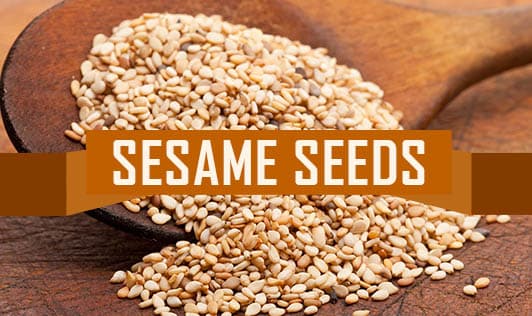
Sesame seeds may be the oldest condiment known to man dating back to as early as 1600 BC. It is also known as “til” in Hindi. Sesame seeds are tiny, flat, oval seeds with a nutty taste and a delicate, almost invisible crunch. They come in a host of different colors depending upon the variety including white, yellow, black and red. They are highly valued for their high content of sesame oil which is very resistant to rancidity.
NUTRITIONAL VALUES OF SESAME SEEDS:
Not only are sesame seeds a very good source of protein, manganese and copper, but they are also a great source of calcium, magnesium, iron, phosphorus, zinc and dietary fiber. Sesame seeds contain the highest total phytosterol content in the nuts and seeds category.
Nutrition Value For 100 g
Energy - 565 kcal
Protein - 16.96 g
Fiber - 14g
Calcium – 989 mg
Magnesium – 356 mg
Zinc - 7.16 mg
Iron - 14.76 mg
Phosphorous - 638 mg
BENEFITS OF SESAME SEEDS:
- Packed with Vitamin B complex, sesame seeds helps in getting glowing skin and strong hair.
- Being rich in calcium and zinc, sesame seeds helps in strengthening the bones and prevents osteoporosis later in life.
- It helps regulate blood sugar levels as they are low in carbohydrates and high in protein and healthy fats.
- Sesame seeds contain magnesium and other compounds that prevents high blood pressure.
- These seeds are rich in essential minerals that are beneficial for people with rheumatoid arthritis and respiratory problems.
- Sesame seeds provides selenium that makes them the right dietary choice to combat thyroid.
- Contains phytosterol, zinc and other compounds that are believed to reduce blood cholesterol levels, enhances immune response and decreases the risk of certain cancers.
- Sesame seeds are especially high in dietary fiber, therefore provides roughage in the intestines and keeps the digestive system healthy.
- Consumption of sesame seeds, especially black sesame seeds, gives relief to menopausal women as it helps in reducing menopausal symptoms like hot flushes, insomnia and irritability. Sesame oil is also sometimes recommended to alleviate the vaginal dryness problem associated with menopause.
MYTH ABOUT SESAME SEEDS:
MYTH: Consuming sesame seeds can cause miscarriage and can also advance menstrual cycles because of the "heat" from the seeds.
FACT: There is no scientific evidence which proves that sesame seeds can have a negative effect on pregnancy or advance menstrual cycles.
TIPS TO INCLUDE SESAME SEEDS IN YOUR DIET:
1. Sesame seeds are used in several sweets including ladoos or sesame balls.
2. Sesame seeds can also be made into coarse nutty chutney served as an accompaniment to dosas.
3. The seeds can be sprinkled over bread before baking to give texture and taste.
4. In other cuisines, sesame is made into sweet halva in the Middle East, flavors Japanese rice and is ground with garlic and lemon juice in the Mediterranean dip tahini.
Leave a Comment

Sign-Up Now & Unlock
₹100 Cashback
Subscribe to our Newsletter!
Get a weekly dose of wellness tips delivered straight to your inbox.
Recently Published
Related Articles


Health Checks @ Home
Service
Explore



Follow us on:


© 2026 Truworth Health Technologies Pvt. Ltd.