Is There Any Nutritional Significance Of Feeding Newborns With Silverware?
8 months ago
4 minute read.
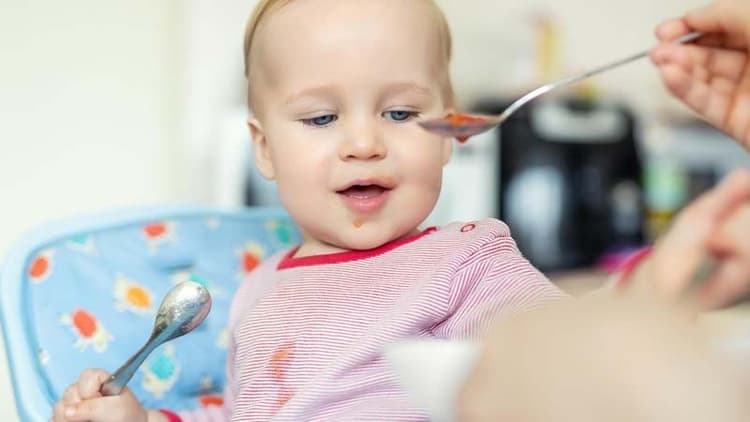
Parenthood is full of questions, traditions, and advice passed down from elders. From the moment a baby is born, families shower the little one with love, rituals, and customs believed to safeguard health and well-being. One such age-old practice in India and several other cultures is feeding newborns with silverware, using silver spoons, bowls, or glasses.
You might have seen a grandmother gifting a silver feeding set during a baby’s naming ceremony or a mother carefully setting aside silverware just for her child. Many believe that silver has health benefits, strengthens immunity, and even adds “nutrition” to what the baby eats or drinks.
But what’s the real truth? Does silver truly make a difference to your baby’s nutrition, or is it more of a cultural belief? Let’s break this down with both tradition and science in mind.
Also Read: Why Parents Should Avoid Feeding Honey To A Newborn Baby?
Why Silverware Holds A Special Place In Baby Care?
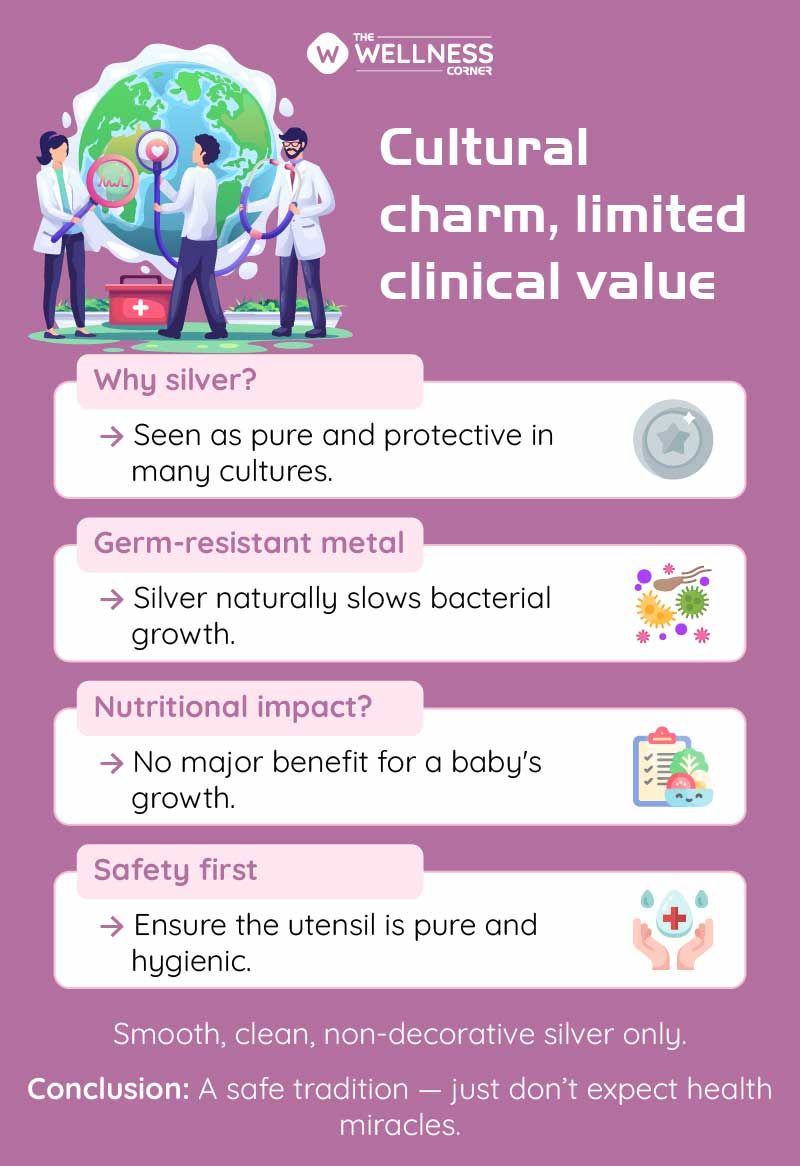
Silver isn’t just a metal in many households; it’s a symbol of purity, prosperity, and protection. In fact, Ayurvedic texts mention that rajat (silver) has cooling, antimicrobial, and soothing properties. That’s why silver is used in many traditional remedies, utensils, and even ornaments.
Some reasons families choose silverware for babies include:
- Purity and hygiene: Silver is believed to purify whatever comes into contact with it
- Inheritance and love: Silver feeding sets are often gifted and passed down, carrying emotional value
- Spiritual belief: Many families feel silver brings positive energy and wards off negativity
So, at the cultural level, feeding babies with silverware is much more than nutrition - it’s about tradition, care, and symbolism.

What Does Modern Science Say About Silver?
From a scientific perspective, silver is fascinating. It has been used in medicine for centuries, from wound dressings to surgical instruments, because of its antimicrobial properties.
Here’s what research tells us about silver:
- Antibacterial and antiviral: Silver ions can kill or inhibit the growth of many harmful microbes
- Non-reactive: Unlike iron or copper, silver doesn’t easily rust or corrode
- Used in modern medicine: Silver appears in burn ointments, water purifiers, and hospital tools
This explains why silver is considered a hygienic choice for feeding infants.
Does Silver Add Nutrition To Baby’s Food?
Here’s the important part: Silver is not a nutrient.
Our bodies do not need silver the way they need calcium, iron, or vitamin D. Feeding with silverware does not “infuse” any nutrient into the food that can help a baby grow.
So if you’re wondering whether silver makes food “healthier,” the answer is no.
But it does offer indirect benefits, such as:
1. Cleaner feeding utensils
2. Safer material compared to some plastics
3. Long-lasting and sturdy vessels
The Real Nutrition For Newborns
For the first six months, a baby’s nutrition comes entirely from breast milk or formula. These provide all the essential proteins, fats, vitamins, minerals, and antibodies needed for development. The utensil does not change the nutritional value.
After six months, when solids begin, the focus should shift to nutritious foods:
- Mashed fruits
- Cooked vegetables
- Cereals and pulses
- Healthy fats
Utensils support hygiene, but they don’t contribute to nutrition.
What About Drinking Water From Silver Glasses Or Bottles?
Many households also encourage drinking water stored in silver glasses, cups, or even silver-lined bottles. Some believe it “charges” the water with medicinal properties or adds nutrients. So, is there any truth to that?
What Does Culture Say?
Just like in baby care, silver vessels are considered pure, cool, and beneficial for overall well-being. Some Ayurvedic practices recommend storing small amounts of water in silver overnight for its supposed healing effects.
What Science Says?
Here’s the breakdown:
- Silver ions can leach into water in extremely tiny amounts, especially if the water is warm.
- These trace amounts are not harmful, but they are not nutritionally significant.
- The amount of silver released is too low to offer measurable health benefits.
So, Why Do People Use It?
Because silver may offer indirect advantages, such as:
Antimicrobial Effect
Silver surfaces can reduce bacterial load in water, though not enough to replace proper purification methods.
Safe, Non-reactive Vessel
It does not corrode or leach chemicals.
Traditional And Emotional Value
Many families use silverware as part of cultural rituals or symbols of prosperity.

What Silver Water Does NOT Do?
It does not:
- Increase immunity
- Add minerals to water
- Provide nutrition
- Replace clean drinking water or purification
So, while drinking from silver is safe, its benefits are mostly hygiene-based and cultural, not nutritional.
Also Read: Citrus Salads To Boost Your Immunity
Pros And Cons Of Using Silverware For Babies
Pros
- Naturally antimicrobial
- Non-toxic and safe
- Durable, long-lasting
- Eco-friendly
- Carries traditional value
Cons
- Expensive
- Needs regular polishing
- No direct nutritional benefit
- Must be age-appropriate to avoid choking risks
What Parents Should Keep In Mind?
If you plan to use silver utensils:
1. Sterilize regularly
2. Use safe sizes and shapes
3. Do not rely on silver for immunity
4. Avoid colloidal silver supplements (unsafe for infants)
5. Remember that milk and food determine nutrition, not the utensil
Relatable Takeaway For Parents
As new parents, it’s easy to get pulled between tradition and science. Elders may insist on silverware, while pediatricians urge evidence-based feeding. The truth is simple:
- Silverware is safe.
- It does not harm your baby.
- It does not add nutrients.
- It is a meaningful cultural tradition.
Think of silver utensils as a lovely ritual, not a nutritional strategy.
Also Read: Parental Influence On Child's Eating Habits
Final Word
Feeding newborns with silverware has no direct nutritional significance. However, it offers hygiene benefits, cultural value, and emotional connection. Your baby’s growth depends on what you feed them, not what utensil you use.
Silverware can be part of your family’s traditions, and that is beautiful - just remember that love, nourishment, and care matter far more than the shine of silver.
Leave a Comment

Sign-Up Now & Unlock
₹100 Cashback
Recently Published
Related Articles


Health Checks @ Home
Service
Explore



Follow us on:


© 2026 Truworth Health Technologies Pvt. Ltd.