5 Seeds That Help Reduce Bloating Naturally
6 hours ago
6 minute read.
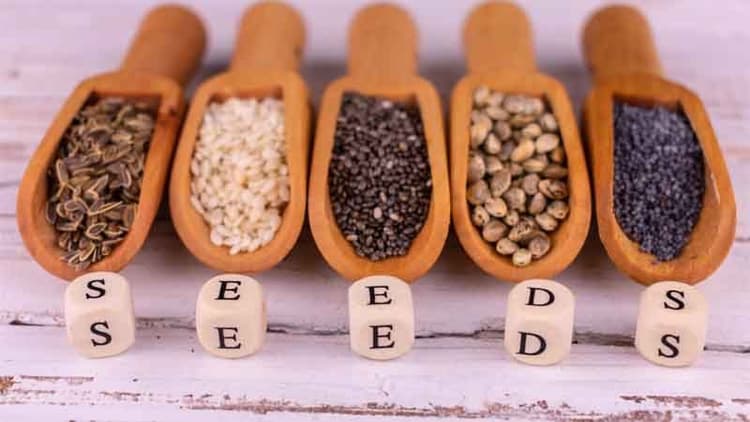
We've all experienced it. You finish a meal, and within a short time your stomach feels tight, heavy, or uncomfortably full. Your clothes suddenly seem tighter, and even simple activities can feel less enjoyable. Occasional bloating is incredibly common and can happen after overeating, eating too quickly, consuming gas-producing foods, or experiencing temporary digestive changes.
While persistent or severe bloating should always be evaluated by a healthcare professional, occasional bloating can often be managed with simple dietary habits. One surprisingly effective addition to a balanced diet is seeds. Although tiny in size, many seeds are packed with fiber, healthy fats, antioxidants, and plant compounds that support healthy digestion and gut function.
Not every seed works the same way, but several have traditionally been used to ease digestive discomfort and may help reduce bloating when combined with healthy eating habits.
Let's explore five seeds that may help your digestive system feel lighter and more comfortable naturally.
Also Read - Flax Seeds Or Chia Seeds: Which One Is Better For Weight Loss?
Why Do We Experience Bloating?
Before looking at the seeds themselves, it's helpful to understand what causes bloating.
Bloating usually occurs when excess gas builds up in the digestive tract or when the stomach and intestines temporarily stretch after eating. Common triggers include:
- Eating meals too quickly
- Overeating
- Carbonated beverages
- High-sodium foods
- Constipation
- Food intolerances
- Hormonal changes
- Certain digestive disorders
Fortunately, improving digestion often starts with small, sustainable dietary changes.
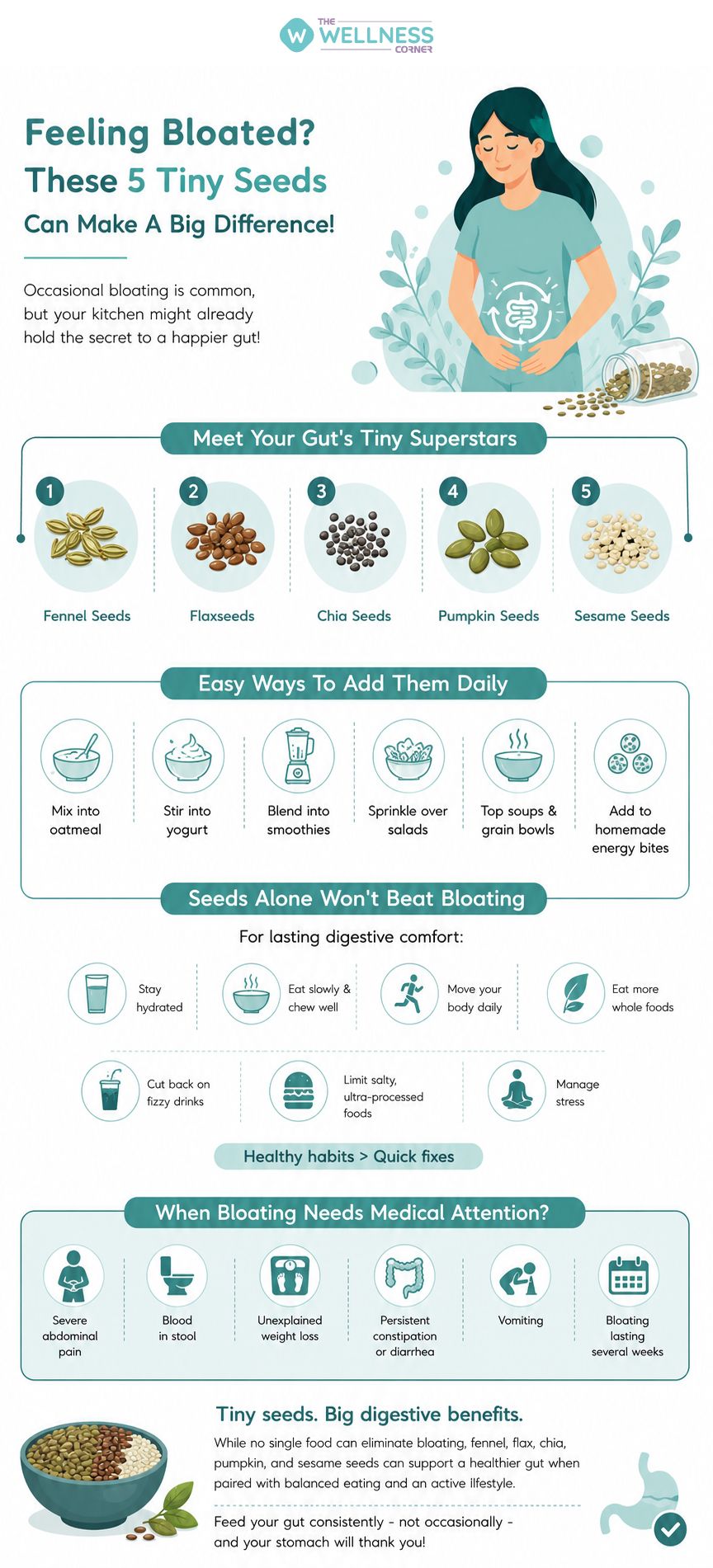
1. Fennel Seeds: A Traditional Digestive Favorite
Fennel seeds have been used for generations to support digestion after meals. Their natural aromatic compounds may help relax the muscles of the digestive tract, making it easier for trapped gas to pass.
Many people enjoy chewing a few fennel seeds after meals, while others prefer brewing them into a soothing herbal tea.
Potential benefits include:
- May reduce gas and bloating
- Supports comfortable digestion
- Helps freshen breath
- May ease mild stomach discomfort
Although research is still evolving, fennel remains one of the most commonly used natural digestive remedies.
Also Read - Fennel Seeds: Health Benefits And Medicinal value

2. Flaxseeds: Gentle Support For Regular Digestion
Flaxseeds are rich in both soluble and insoluble fiber, making them an excellent choice for maintaining regular bowel movements.
When constipation contributes to bloating, increasing fiber intake gradually may help relieve digestive discomfort. Ground flaxseeds are generally easier to digest than whole flaxseeds and can be added to:
- Yogurt
- Smoothies
- Oatmeal
- Homemade baked goods
Remember to increase your water intake when adding more fiber to your diet.
3. Chia Seeds: Tiny Seeds That Support Gut Health
Chia seeds absorb water and form a gel-like consistency that supports healthy digestion.
Their combination of fiber and plant-based nutrients may help improve bowel regularity while supporting a healthy gut microbiome.
Ways to enjoy chia seeds include:
- Overnight chia pudding
- Smoothies
- Oatmeal
- Mixed into yogurt
Since chia seeds absorb plenty of liquid, it's important to drink enough water when including them in your diet.
Also Read - Chia Seeds Should Be Completely Avoided By These 4 Types Of People: Here’s Why
4. Pumpkin Seeds: Nutrient-Rich Support For Digestive Wellness
Pumpkin seeds are best known for their healthy fats, magnesium, protein, and antioxidants.
While they aren't a direct treatment for bloating, they contribute to overall digestive health as part of a balanced diet. Magnesium also supports normal muscle function, including the muscles involved in digestion.
Enjoy pumpkin seeds as:
- A healthy snack
- Salad topping
- Soup garnish
- Homemade trail mix
Choose unsalted varieties whenever possible.
5. Sesame Seeds: Small Seeds Packed With Nutrients
Sesame seeds provide fiber, healthy fats, calcium, iron, and antioxidants that support overall health.
Their fiber content may contribute to healthy digestion when eaten regularly as part of a balanced eating pattern.
Try adding sesame seeds to:
- Stir-fries
- Whole-grain salads
- Roasted vegetables
- Homemade dressings
Like other high-fiber foods, moderation is key, especially if you're not accustomed to eating large amounts of fiber.
How To Include These Seeds In Your Daily Diet?
Adding seeds to your meals doesn't have to be complicated. Simple actions repeated regularly can make a noticeable difference as time goes by.
Simple ideas include:
- Sprinkle seeds over salads.
- Add them to smoothies.
- Mix them into yogurt.
- Stir them into oatmeal.
- Include them in homemade energy bites.
- Sprinkle them into soups or add them to grain-based meals for an extra nutritional boost.
- You can also eat them directly.
Also Read: Best Time To Eat Chia Seeds For Maximum Hair Growth
Other Habits That Can Help Reduce Bloating
Including seeds in your diet is most effective when paired with healthy everyday habits.
To keep bloating under control:
- Eat slowly and chew food thoroughly.
- Stay well hydrated throughout the day.
- Exercise regularly to encourage healthy digestion.
- Reduce excessive intake of salty and highly processed foods.
- Cut back on fizzy drinks they often tend to leave you feeling bloated or uncomfortable.
- Identify foods that consistently cause discomfort.
- Manage stress, as it can affect digestive function.
Often, it's the combination of healthy habits rather than a single food that makes the biggest difference.

When Should You See A Doctor?
Occasional bloating is usually harmless, but persistent symptoms shouldn't be ignored.
Seek medical attention if your bloating occurs along with any of the following symptoms:
- Severe abdominal pain
- Unexplained weight loss
- Blood in the stool
- Persistent constipation or diarrhea
- Vomiting
- Difficulty eating
- Symptoms that continue for several weeks
These symptoms could point to an underlying health issue that should be assessed by a healthcare professional.
The Bottom Line
Seeds may be small, but they can make a valuable contribution to digestive wellness when included as part of a balanced diet. Fennel seeds, flaxseeds, chia seeds, ajwain and jeera seeds each offer unique nutritional benefits that may support healthy digestion and help reduce occasional bloating.
However, it's important to remember that no single food can eliminate bloating on its own. A nutritious diet, adequate hydration, regular physical activity, mindful eating, and identifying personal food triggers all play an important role in maintaining digestive comfort.
If bloating becomes frequent, severe, or interferes with your daily life, don't rely solely on home remedies. Seeking professional medical advice can help identify the underlying cause and ensure you receive the right care.

Feel Better From The Inside Out With The Wellness Corner
Occasional bloating doesn't have to disrupt your day. Small dietary changes, healthier eating habits, and the right nutritional guidance can make a noticeable difference in your digestive comfort. If you're experiencing ongoing digestive concerns or want personalized advice on improving your gut health, connect with the experts at The Wellness Corner. From nutrition guidance to expert consultations, we're here to help you build healthier habits and support your overall well-being.
Frequently Asked Questions (FAQs)
Leave a Comment

Sign-Up Now & Unlock
₹100 Cashback
Subscribe to our Newsletter!
Get a weekly dose of wellness tips delivered straight to your inbox.
Recently Published
Related Articles


Health Checks @ Home
Service
Explore



Follow us on:


© 2026 Truworth Health Technologies Pvt. Ltd.