Black Sesame Seeds Vs White Sesame Seeds: Nutritional Comparison & Best Uses
8 hours ago
6 minute read.
Blog Briefing: The Short Answer

Difference Between Black And White Sesame Seeds
Sesame seeds are small, oil-rich seeds used in Indian cooking, Asian cuisine, bakery products, and traditional sweets. In India, black sesame seeds are known as kala til, while white sesame seeds are called safed til.
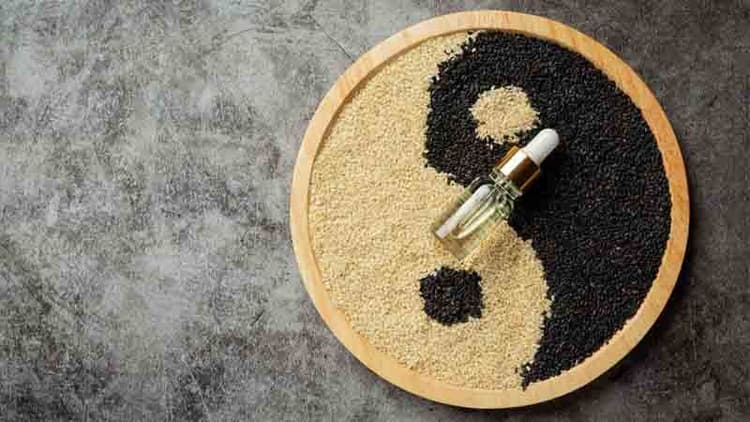
The main difference between black and white sesame seeds lies in their colour, flavour, texture, and common processing methods.
Black sesame seeds usually have a stronger, earthier taste and are often sold with their outer hull intact. White sesame seeds have a milder, nuttier flavour and are commonly available in both hulled and unhulled forms.
Black seeds work well in chutneys, spice blends, rice dishes, and Asian recipes. White seeds are popular in tahini, bakery products, salads, and Indian sweets.
However, colour alone does not determine nutritional value. Understanding how the seeds are processed is essential when comparing their mineral content.
Also Read: Sesame Seeds
Black Sesame Seeds Vs White Sesame Seeds: How Do Their Nutrients Differ?
Both varieties contain nutrients that can complement a balanced diet. Here is a quick comparison of black sesame seeds nutrition and the nutritional qualities of white sesame seeds.
|
Nutritional
feature |
Black
sesame seeds |
White
sesame seeds |
|
Flavour |
Earthy and robust |
Mild and nutty |
|
Texture |
Often crunchier |
Hulled varieties are softer |
|
Protein |
Provides plant-based protein |
Provides plant-based protein |
|
Healthy fats |
Rich in unsaturated fats |
Rich in unsaturated fats |
|
Fibre |
Generally higher when unhulled |
Lower in hulled varieties |
|
Calcium |
Can be high when unhulled |
Depends on processing |
|
Common uses |
Chutneys, spice mixes, rice dishes |
Tahini, baking, sweets |
Sesame seeds also contain iron, magnesium, zinc, copper, and plant compounds called lignans.
Hulled Vs Unhulled Sesame Seeds: What Changes?
Hulling removes the seed's outer covering. This matters because the hull contains substantial amounts of certain minerals, particularly calcium.
The hulled vs unhulled sesame seeds calcium difference can be significant. Some nutrition databases list approximately 975 mg of calcium per 100 g of whole, unhulled sesame seeds, compared with around 60 mg per 100 g of hulled kernels. These figures are approximate reference values, and actual amounts vary by variety and processing.
Therefore, when checking sesame seeds calcium content, look at the product's nutrition label and whether the hull has been removed.
Also Read: Sesame Oil - Goodness Revealed
Black Sesame Seeds Benefits
The main black sesame seeds benefits come from their combination of healthy fats, protein, fibre, and minerals.
- Provides essential minerals: Unhulled black sesame seeds can contribute calcium, iron, magnesium, and other minerals to your diet.
- Supports bone health: Their calcium content can help meet daily requirements, although other calcium-rich foods remain important.
- Contributes healthy fats: Sesame seeds contain unsaturated fats that fit into a balanced eating pattern.
- Adds plant compounds: Sesame contains lignans and other compounds studied for their antioxidant properties.
- Offers culinary variety: Their distinctive flavour makes them a useful addition to chutneys, rice dishes, and roasted seed mixes.
These kala til benefits make black sesame seeds a useful food ingredient, but they should not be considered a treatment for a health condition.
White Sesame Seeds Benefits
The safed til benefits are equally useful for everyday eating. White sesame seeds are versatile and easy to add to familiar meals.
- Provides plant-based protein: They can contribute to protein intake alongside pulses, beans, dairy products, tofu, and other protein sources.
- Supplies unsaturated fats: These fats can form part of a varied, balanced diet.
- Adds minerals: Depending on processing, white sesame seeds provide iron, calcium, magnesium, and zinc.
- Enhances meals: Their mild flavour works well in salads, poha, upma, vegetables, and homemade snacks.
- Supports recipe variety: They can be used in chutneys, dressings, sweets, and baked foods.
Hulled white sesame seeds generally contain less calcium than unhulled varieties. If minerals are your priority, check the packaging rather than assuming all white seeds have the same nutritional profile.
Also Read: How To Boost Your Skin Health With Zinc-Rich Foods?

Which Sesame Seeds Are Healthier?
So, which sesame seeds are healthier? Neither variety is automatically better in every situation.
When choosing between black sesame seeds vs white sesame seeds, consider your nutritional priorities and how you enjoy eating them. Black seeds offer a stronger flavour, while white seeds have a milder taste and blend easily into many dishes.
If calcium is your main concern, unhulled seeds are generally a better option, regardless of colour. If you want sesame seeds for iron deficiency vegetarian diets, they can contribute plant-based iron, but they should not be relied on as the sole solution.
Pairing sesame-containing meals with vitamin C-rich foods, such as lemon, tomatoes, or amla, can improve the absorption of non-haem iron from plant foods. If you have diagnosed iron deficiency or anaemia, consult a healthcare professional about appropriate treatment.
Best Ways To Eat Sesame Seeds
The best way to eat sesame seeds for calcium is to choose unhulled varieties, include them in balanced meals, and chew them thoroughly. Grinding them can also make them easier to incorporate into everyday recipes, although it does not remove every factor affecting mineral absorption.
Try these simple ideas:
- Breakfast: Sprinkle roasted sesame seeds over poha, upma, or oats.
- Chutneys: Blend roasted seeds with garlic, chillies, and other ingredients.
- Salads: Add a spoonful to salads, vegetables, or grain bowls.
- Sesame paste: Blend seeds into a paste for dips and dressings.
- Traditional sweets: Use sesame seeds to prepare til ladoo.
Black Til Vs White Til For Til Ladoo
Which sesame seeds are best for til ladoo? Both work well. Black til creates a darker ladoo with a stronger, earthier flavour, while white til produces a milder, familiar taste. Your choice can depend on your family recipe and personal preference.
Remember that jaggery contains sugar, so til ladoos are not automatically low in sugar simply because they contain sesame seeds.
Also Read: How To Identify Pure Jaggery At Home: Simple Purity Checks Recommended By Food Safety And Standards Authority Of India
How Much Sesame Seeds To Eat Per Day?
If you are wondering how much sesame seeds to eat per day, around 1 to 2 tablespoons can be a practical starting point for many adults. This is a general serving suggestion, not a formal daily requirement.
Sesame seeds are calorie-dense, so large quantities can add considerable energy to your diet. Adjust your portion to your overall eating pattern and individual needs.
Black Sesame Seeds Side Effects And Storage Tips
Although sesame seeds can be nutritious, a few precautions are worth keeping in mind.
- Allergies: Sesame is a recognised food allergen. People with a sesame allergy should avoid it.
- Digestive discomfort: Large portions may cause bloating or discomfort in some people.
- Calorie intake: Their high fat content makes portion awareness useful.
- Food quality: Avoid seeds that smell rancid or show signs of mould or moisture damage.
For how to store sesame seeds, keep them in an airtight container in a cool, dry place away from direct sunlight. Refrigerate or freeze larger quantities to help maintain freshness, particularly in warm climates. Ground sesame seeds can turn rancid more quickly, so store them in a sealed container in the refrigerator and use them promptly.

Make Sesame Seeds Part Of Your Everyday Wellness Routine
Ultimately, black sesame seeds vs white sesame seeds is not a question with one universal winner. Both can contribute healthy fats, plant-based protein, and essential minerals to a balanced diet. The most useful comparison considers processing, particularly whether the seeds are hulled or unhulled, alongside flavour and intended use.
For more practical nutrition advice and everyday wellness guidance, explore The Wellness Corner and discover simple ways to build healthier habits that fit your lifestyle.
Frequently Asked Questions
Disclaimer: This article is intended for general educational and informational purposes only and should not replace personalized dietary or medical advice. Nutritional needs vary based on factors such as age, health status, lifestyle, and individual requirements. If you have a medical condition, dietary restriction, or specific nutritional concern, consult a qualified healthcare professional or registered dietitian.
Leave a Comment

Sign-Up Now & Unlock
₹100 Cashback
Subscribe to our Newsletter!
Get a weekly dose of wellness tips delivered straight to your inbox.
Recently Published
Related Articles


Health Checks @ Home
Service
Explore



Follow us on:


© 2026 Truworth Health Technologies Pvt. Ltd.