Can Diabetics Eat Sweets On Diwali? Safe Options And Portions
3 hours ago
6 minute read.
1. Can Diabetics Eat Sweets During Diwali?
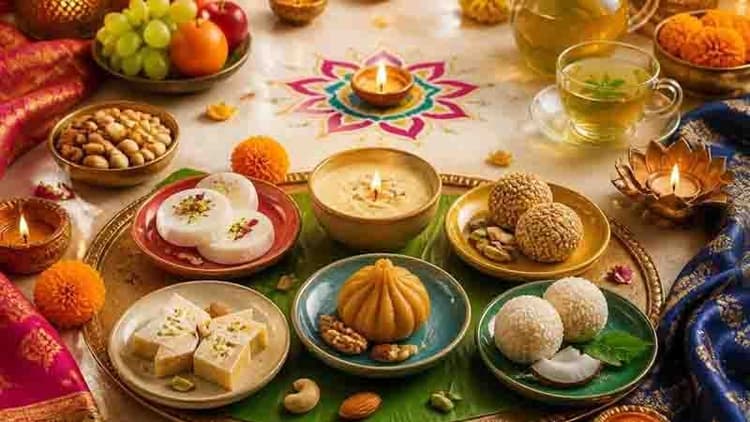
Diwali is a time for family gatherings, traditional mithai, and sharing festive treats. If you have diabetes, the abundance of sweets can make it challenging to balance enjoyment with blood sugar management.
The good news is that having diabetes does not automatically mean giving up every festive dessert. The answer to can diabetics eat sweets during festivals depends on the type of sweet, how much you eat, your overall meal, your glucose response, and your prescribed treatment.
Traditional sweets such as kaju katli, besan ladoo, peda, and gulab jamun differ in their ingredients and nutritional composition. Some contain substantial amounts of added sugar, while others also provide carbohydrates from flour, milk solids, or nuts. Even sweets made without added sugar can affect blood glucose.
A sensible Diwali diet for diabetics focuses on balance rather than strict deprivation. Enjoying a small serving occasionally, instead of eating several sweets throughout the day, may make festive eating easier to manage.
If you use insulin or medicines that can cause low blood sugar, do not skip meals or change your medication to compensate for eating sweets without guidance from your healthcare professional.
Also Read: Yummy Diwali Recipes With A Healthy Twist
2. Better Sweet Choices For People With Diabetes
Choosing diabetic friendly Indian sweets starts with understanding their ingredients and preparation methods. No sweet is universally suitable for everyone with diabetes, but some options may be easier to fit into a balanced eating plan.
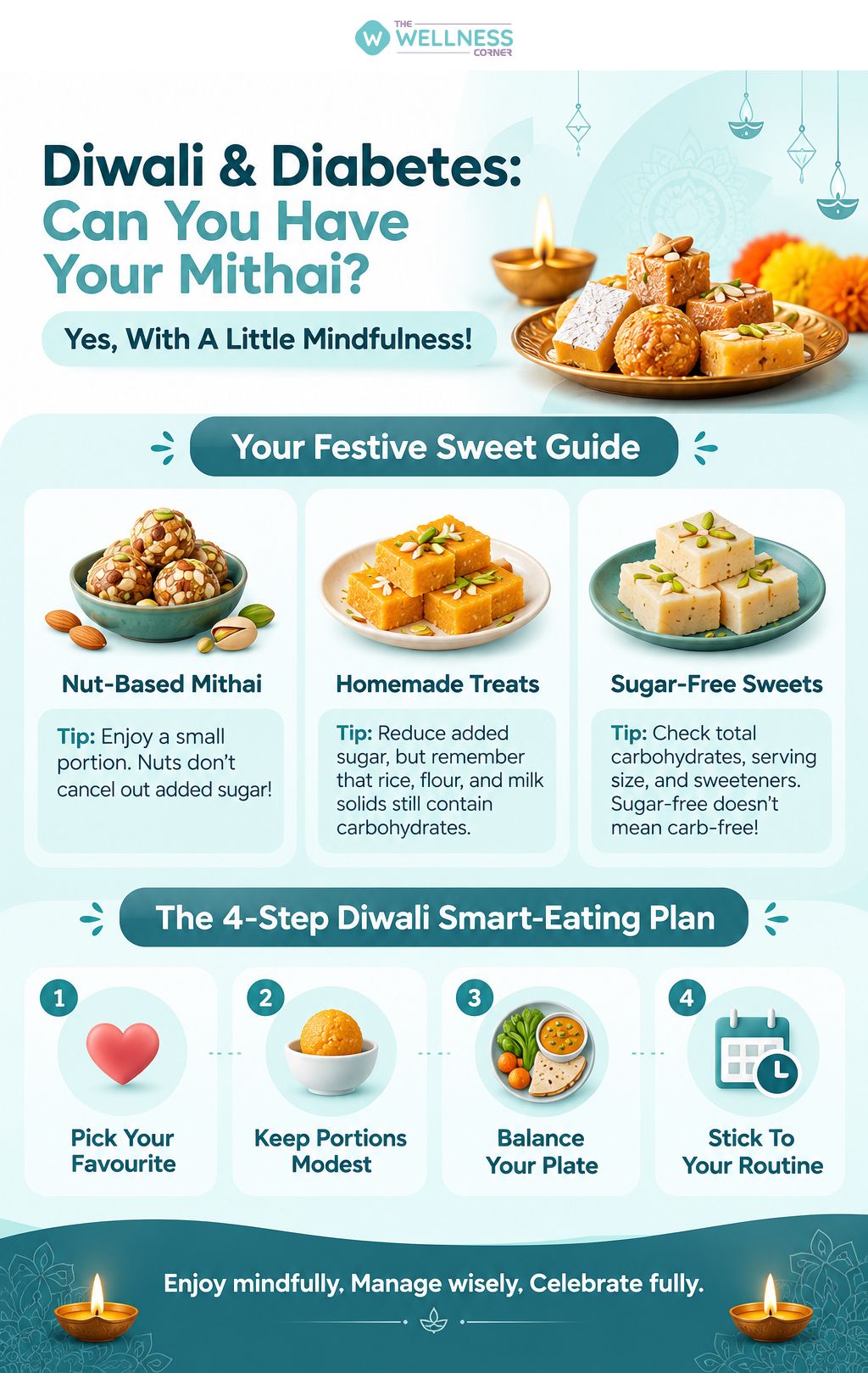
Try Nut-Based Mithai In Small Portions
Kaju katli and almond-based sweets contain nuts, which provide fats and some protein. However, these sweets may also contain considerable amounts of sugar. Nut-based ingredients do not automatically make a dessert suitable for diabetes.
Choose a small piece and check the ingredients when possible.
Consider Homemade Sweets With Less Added Sugar
Homemade kheer, roasted besan preparations, or desserts made with nuts and seeds can give you greater control over ingredients and serving sizes. Reducing added sugar may help, but ingredients such as rice, flour, dates, and milk solids still contribute carbohydrates.
These can be useful alternatives when prepared thoughtfully and eaten in appropriate portions.
Also Read: Are you Aware Of The Health Risks Of Added Sugars?
Explore Sugar-Free Alternatives Carefully
The market offers sugar free Diwali sweets made with approved non-sugar sweeteners. Some may be suitable options for people who want to reduce added sugar.
However, sugar free sweets for diabetics are not necessarily carbohydrate-free. Flour, milk solids, starches, and other ingredients may still raise blood glucose. Some sugar-free products may also contain sugar alcohols that can cause digestive discomfort when consumed in large amounts.
When shopping for sugar free sweets for diabetics, read the nutrition label and compare total carbohydrates, serving size, and added sugars instead of relying only on the words "sugar-free."

What About Low-Sugar Mithai?
Low sugar mithai can be another option, provided the sugar reduction is meaningful and the portion remains reasonable. A dessert labelled low-sugar may still contain enough carbohydrates to affect your glucose levels.
If you are comparing packaged sugar free sweets for diabetics, look beyond the front-of-pack claims. Check the ingredient list, serving size, total carbohydrates, and the type of sweetener used.
The best choice is one that fits your personal meal plan, tastes satisfying, and helps you avoid repeatedly reaching for more sweets.
Also Read: Is Monk Fruit Really Helpful In Reducing Sugar Intake?
3. How Much Sweet Can A Diabetic Eat On Diwali?
Portion requirements differ from one individual to another. The answer to how much sweet can a diabetic eat on Diwali depends on your glucose control, medication, daily carbohydrate allowance, activity level, and the specific sweet.
As a practical starting point, consider having one small piece rather than several servings. Check the actual serving size because a large piece of mithai may contain considerably more carbohydrates than a smaller one.
Keep these principles in mind:
- Account for carbohydrates: Include the carbohydrates from sweets in your overall meal plan.
- Set limits on sweet treats: Having mithai repeatedly between meals may lead you to consume more than you intended.
- Pay attention to your response: If you monitor blood glucose, follow your clinician's advice about when to check it and how to interpret the results.
- Do not compensate by skipping meals: Missing meals or changing medication can be unsafe, particularly for people taking insulin or certain glucose-lowering medicines.
Remember, a small portion is a starting point, not a guarantee that your blood sugar will remain within your target range.

4. Diabetes Festive Season Tips For A Healthier Diwali
A few practical changes can make festive celebrations more manageable without taking away the joy of traditional food.
Build balanced meals. Build your meals around vegetables, protein sources like lentils or paneer, and moderate servings of whole grains. This can help you maintain a balanced eating pattern instead of filling up on fried snacks and sweets.
Avoid arriving at celebrations extremely hungry. Skipping meals to save room for dessert may encourage overeating later. Stick to your regular meal schedule as much as possible.
Choose sweets intentionally. Rather than sampling every dessert available, pick the one you enjoy most and savour a small portion. This is often more satisfying than eating several treats without thinking.
Stay active. A walk after a meal may support blood glucose management, depending on your health and mobility. Follow your healthcare professional's advice about physical activity, particularly if you are at risk of low blood sugar.
Keep your treatment routine consistent. Continue taking prescribed medicines as directed, stay hydrated, and monitor glucose according to your care plan.
These diabetes festive season tips can help make celebrations more predictable. For personalised guidance on how to keep blood sugar in control during Diwali, speak with your doctor or dietitian about your medication, meal timing, and individual glucose targets.
Planning ahead can also help you decide whether sugar free sweets for diabetics fit your meal plan, rather than making last-minute choices when you are surrounded by festive treats.
Also Read: Are There Any Candies People With Diabetes Can Eat?
The Bottom Line
Diwali can still include the flavours and traditions you love when you have diabetes. You do not necessarily need to avoid every sweet, but portion size, ingredients, total carbohydrate intake, and individual glucose responses matter.
Choose sugar free sweets for diabetics thoughtfully. Remember that sugar-free does not mean carbohydrate-free, and avoid changing medication or skipping meals to make room for dessert. Most importantly, follow a plan suited to your health needs rather than relying on a one-size-fits-all rule.
Want more support for healthier festive choices? Explore The Wellness Corner for practical nutrition resources, expert guidance, and wellness tips to help you enjoy celebrations while caring for your health.

Frequently Asked Questions
Nutrition Disclaimer: This article is intended for general educational and informational purposes only and should not replace personalized dietary or medical advice. Nutritional needs vary based on factors such as age, health status, lifestyle, and individual requirements. If you have a medical condition, dietary restriction, or specific nutritional concern, consult a qualified healthcare professional or registered dietitian.
Leave a Comment

Sign-Up Now & Unlock
₹100 Cashback
Subscribe to our Newsletter!
Get a weekly dose of wellness tips delivered straight to your inbox.
Recently Published
Related Articles


Health Checks @ Home
Service
Explore



Follow us on:


© 2026 Truworth Health Technologies Pvt. Ltd.