Are You Boiling Your Tea Too Long? Is It Killing The Nutrients?
4 months ago
4 minute read.
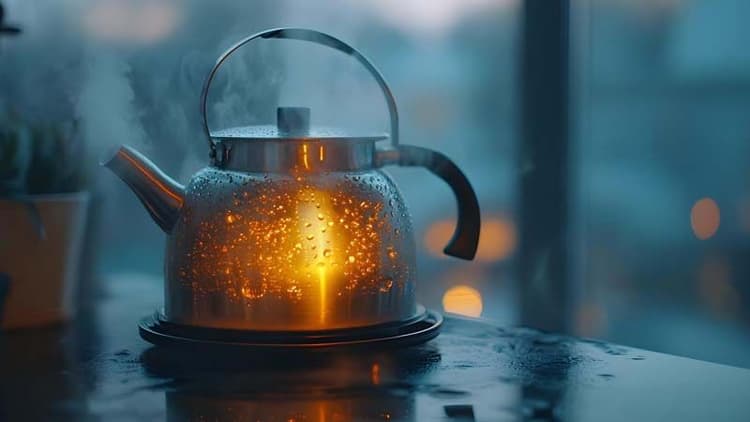
For many people, tea goes beyond being just a drink. It is a ritual. A pause in a busy day. A moment of comfort.
Whether it is your morning chai or an evening cup to unwind, tea plays a consistent role in daily life.
But here is a question most people never ask.
Are you boiling your tea for too long?
It may seem like a small detail, but the way you prepare your tea can influence not just its taste, but also its nutritional value.
Let’s break down what really happens when tea is overboiled and whether it is affecting your health.
Also Read - Tea Time As Me Time: Creating Space For Mindfulness And Relaxation
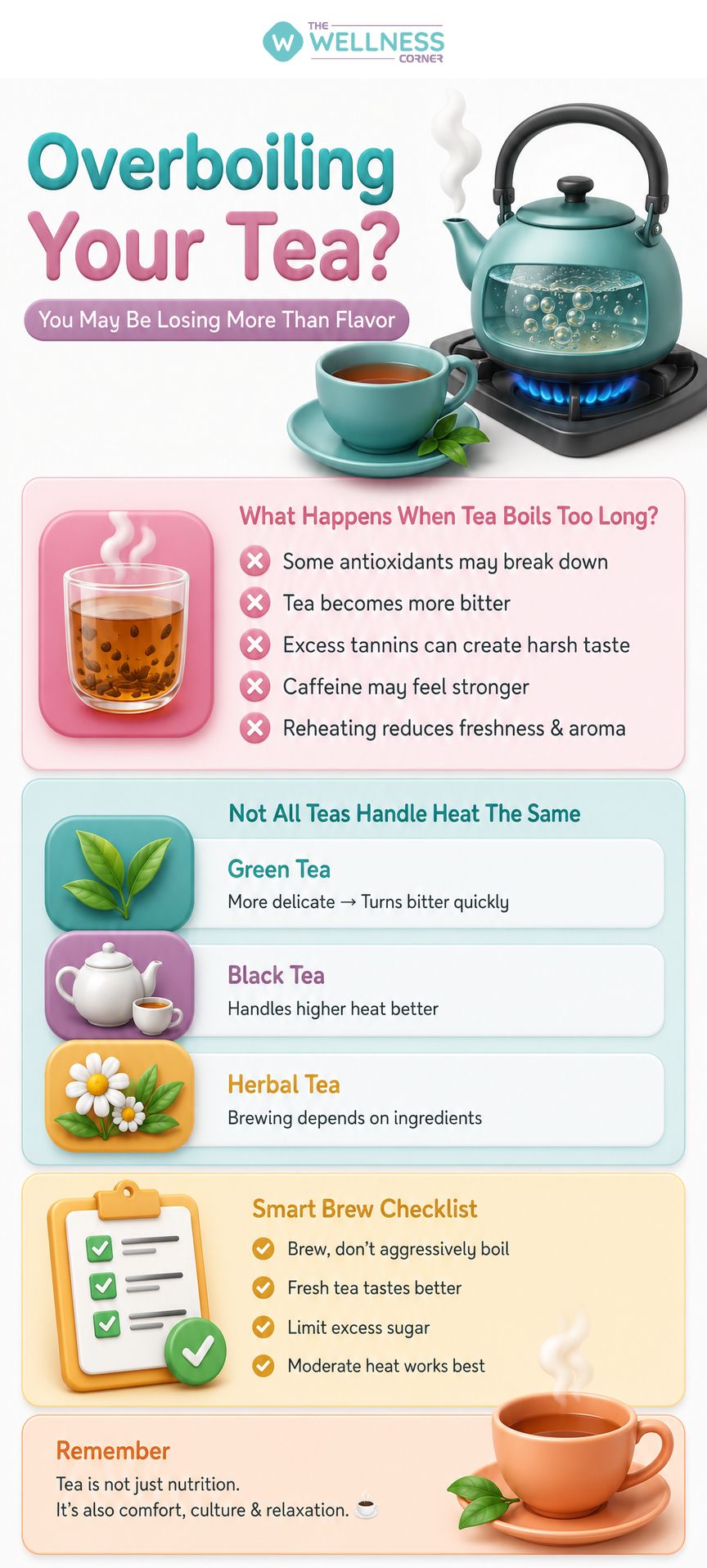
What Happens When You Boil Tea?
Tea leaves contain natural compounds, including antioxidants, polyphenols, and flavonoids.
These compounds are recognized for their potential health benefits, including supporting cardiovascular health and mitigating oxidative stress.
When you brew tea correctly, these beneficial compounds are gently released into the water.
However, excessive boiling can change this balance.
The Science Behind Overboiling
Boiling tea for too long does not completely destroy its nutrients, but it can alter their effectiveness.
Here is how:
1. Increased Tannin Release
The longer the tea is boiled, the more tannins are released.
Tannins are natural compounds that can give tea a bitter taste.
In excess, they may also interfere with the absorption of certain nutrients, such as iron.
2. Breakdown Of Delicate Compounds
Some antioxidants are sensitive to prolonged heat.
Extended boiling can reduce their potency, meaning you may not get the full benefit.
3. Stronger But Not Better
Overboiled tea often tastes stronger, but that does not necessarily mean it is healthier.
In fact, it may be harsher on the stomach for some individuals.

Does This Apply To All Types Of Tea?
Not all teas are the same.
The impact of overboiling can vary depending on the type.
1. Black Tea
Commonly used in Indian households, black tea is more robust.
It can tolerate slightly longer brewing times but still benefits from controlled boiling.
2. Green Tea
Green tea is more delicate.
Boiling it for too long can significantly reduce its beneficial compounds and make it taste overly bitter.
Also Read: Best Green Teas For Weight Loss And Reduced Belly
3. Herbal Tea
Herbal teas vary widely.
Some may require longer steeping, but even then, excessive heat is not always necessary.
The Right Way To Brew Your Tea
Getting the most out of your tea does not require complicated steps.
Even minor changes can lead to noticeable improvements.
1. Avoid Prolonged Boiling
Instead of boiling tea leaves for several minutes, allow them to steep in hot water for a controlled duration.
2. Watch The Time
Most teas only need a few minutes to release their flavor and nutrients.
Oversteeping does not enhance quality.
3. Control The Temperature
Not all teas require boiling water.
For instance, green tea is ideally prepared using water that isn’t too hot.
4. Taste Matters
A well-brewed cup of tea should be balanced, not overly bitter or harsh.
Your taste buds can often tell you when something is off.

Common Myths About Strong Tea
Many people believe that stronger tea is more beneficial.
This is not entirely true.
Strength in taste often comes from prolonged boiling or excessive tea leaves, not from increased nutritional value.
In fact, overly strong tea can sometimes lead to:
- Acidity
- Digestive discomfort
- Reduced nutrient absorption
Moderation is key.
Also Read: Acidity Ailments & Heartburn Management Through Yoga
The Link Between Tea And Digestion
Tea can support digestion when consumed in the right way.
However, overboiled tea may have the opposite effect for some people.
Excess tannins can irritate the stomach lining and contribute to discomfort, especially if consumed on an empty stomach.
Paying attention to how your body reacts can help you adjust your brewing habits.
Should You Change Your Tea Routine?
You do not need to give up your daily cup of tea.
But you may want to refine how you prepare it.
Small adjustments can help you:
- Improve taste
- Retain more beneficial compounds
- Reduce unwanted side effects
These changes are simple but effective.
The Bigger Picture: Small Habits, Big Impact
Health is often shaped by everyday habits.
Something as routine as making tea can influence how your body responds over time.
Being mindful of preparation methods allows you to get the most out of what you consume.
It is not about perfection.
It is about awareness.
Make Smarter Wellness Choices With The Wellness Corner
Understanding small lifestyle habits can make a meaningful difference to your overall health.
The Wellness Corner provides expert guidance on nutrition, daily routines, and holistic well-being to help you make informed choices that fit your lifestyle.
From everyday habits to long-term health strategies, the right support can help you stay on track.

Frequently Asked Questions (FAQs)
Leave a Comment

Sign-Up Now & Unlock
₹100 Cashback
Subscribe to our Newsletter!
Get a weekly dose of wellness tips delivered straight to your inbox.
Recently Published
Related Articles


Health Checks @ Home
Service
Explore



Follow us on:


© 2026 Truworth Health Technologies Pvt. Ltd.