The Hottest Days Of The Year Are Here: Why Severe Heatwave Warnings Have Been Issued Across North India From May 25?
5 months ago
5 minute read.
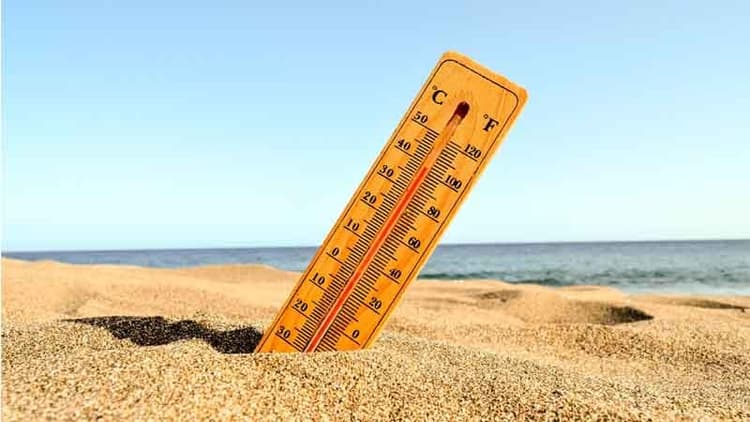
As temperatures continue rising across northern India, discussions around “Nautapa” have once again returned to headlines, weather reports, and everyday conversations.
For many people, Nautapa is associated with:
- Scorching afternoons
- Hot winds
- Heatwave warnings
- Exhaustion
- Power cuts
- Dehydration
- Sleepless nights
In 2026, several parts of North India are once again experiencing severe heatwave concerns beginning around May 25, leading to growing public attention around this intense weather phase.
But what exactly is Nautapa?
Why does it happen every year?
And why are health experts and weather authorities urging people to take extra precautions during this period?
Understanding Nautapa is important not only from a cultural or seasonal perspective, but also from a public health standpoint.
Extreme heat can seriously affect the body, especially for children, older adults, outdoor workers, and people with underlying health conditions.
Let us understand what Nautapa really means and why this period deserves attention.
Also Read - Heatwave Alert: How To Keep Yourself Protected? Dos & Don'ts
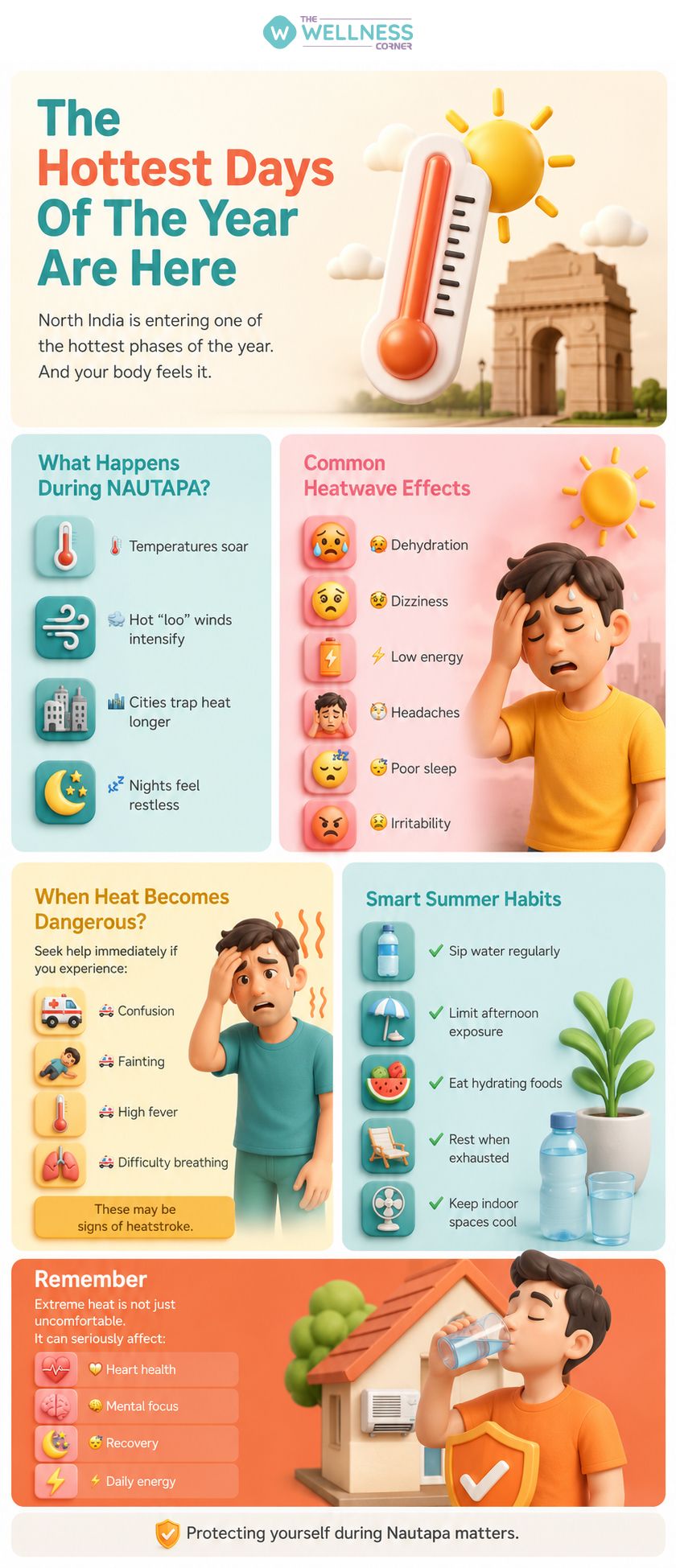
Why Does North India Become Extremely Hot During Nautapa?
Several environmental and seasonal factors combine to intensify temperatures during this period.
1. Strong Solar Heating
During late May, the sun’s intensity over the Indian subcontinent becomes extremely strong.
Longer daylight hours and direct solar radiation significantly heat land surfaces.
Also Read: Why Shouldn't You Step Out Without Sunscreen In Summers?
2. Dry Atmospheric Conditions
Many parts of North India experience very dry conditions before monsoon moisture arrives.
Dry air allows temperatures to rise rapidly during daytime hours.
3. Hot Winds Known As “Loo”
One of the defining features of North Indian summers is the arrival of hot, dry winds called “loo.”
These winds can become extremely dangerous during peak afternoon hours.
Exposure to loo may increase the risk of:
- Dehydration
- Heat exhaustion
- Heatstroke
Also Read - Your Heatwave Survival Kit For Work: What Every Employee Needs At Their Desk?
4. Urban Heat Effects
Cities often become even hotter because of:
- Concrete structures
- Traffic pollution
- Reduced green cover
- Heat retention by buildings and roads
Urban areas may remain hot even after sunset.

Why 2026 Heatwave Alerts Are Raising Concern?
This year, several regions across North India are witnessing particularly intense temperatures alongside official heatwave warnings.
In many areas, daytime temperatures are climbing above normal seasonal averages.
Health experts are especially concerned because prolonged heat exposure may affect:
- Hydration levels
- Cardiovascular health
- Energy levels
- Sleep quality
- Work productivity
- Mental well-being
Extreme heat is not merely “summer discomfort.”
In extreme cases, prolonged heat exposure can pose significant health dangers.
Who Faces Higher Risk During Severe Heatwaves?
Some individuals face a higher risk of developing heat-related health problems.
These may include:
- Children
- Older adults
- Pregnant women
- Outdoor laborers
- Traffic police
- Construction workers
- People with heart disease
- Individuals with diabetes
- People without proper cooling or ventilation
Heat exposure can affect the body faster than many people realize.
Common Heatwave Symptoms People Should Not Ignore
During intense summer conditions, the body may struggle to regulate internal temperature effectively.
Some warning signs include:
- Dizziness
- Excessive sweating
- Headache
- Muscle cramps
- Fatigue
- Rapid heartbeat
- Nausea
- Confusion
- Weakness
In more serious situations, heatstroke can turn into a life-threatening medical condition.
Also Read: 9 Foods That Help Alleviate Nausea
Heatstroke Can Become Dangerous Quickly
Heatstroke happens when the body’s cooling system becomes overwhelmed.
Symptoms may involve:
- Very high body temperature
- Confusion
- Fainting
- Dry skin despite heat
- Rapid pulse
- Difficulty breathing
Immediate medical care becomes essential in such situations.
Why Hydration Alone Is Not Always Enough?
Many people believe simply drinking water solves all heat-related problems.
Hydration is extremely important, but other factors matter too.
During severe heat exposure, the body also loses:
- Electrolytes
- Minerals
- Energy
Additionally, excessive sun exposure, poor sleep, alcohol intake, and prolonged outdoor work may worsen heat stress even if water intake increases.
How To Protect Yourself During Nautapa?
Simple preventive measures may significantly reduce heat-related risks.
1. Avoid Peak Afternoon Exposure
The hottest hours are usually between late morning and early evening.
Reducing outdoor activity during these periods may help lower heat stress.
2. Stay Hydrated Consistently
Water intake should remain steady throughout the day rather than waiting until extreme thirst develops.
Hydrating foods and electrolyte-rich beverages may also help.
3. Wear Light And Breathable Clothing
Loose-fitting cotton clothing may help improve comfort during extreme temperatures.
4. Never Ignore Early Symptoms
Dizziness, exhaustion, or nausea during extreme heat should not be dismissed casually.
Rest and cooling become important immediately.
5. Protect Indoor Environments Too
Indoor heat exposure can also become dangerous, especially in poorly ventilated spaces.
Proper ventilation, fans, curtains, and other cooling methods can help minimize heat accumulation indoors.
Why Sleep Often Gets Worse During Heatwaves?
Many people notice disturbed sleep during intense summer conditions.
High nighttime temperatures may interfere with:
- Body cooling
- Sleep quality
- Recovery
- Mental focus the next day
Poor sleep combined with heat exposure may increase fatigue and irritability.
The Workplace Impact Of Extreme Heat
Heatwaves also affect productivity and workplace well-being.
Outdoor workers face direct exposure risks, but even office workers may experience:
- Fatigue
- Reduced concentration
- Headaches
- Low energy
- Dehydration
Employers increasingly recognize heat stress as an important occupational health concern.

Is Climate Change Making Heatwaves Worse?
Scientists worldwide continue studying how climate patterns may influence the frequency and intensity of heatwaves.
Many regions globally are witnessing:
- Longer summers
- More frequent extreme heat events
- Higher temperature records
Although India has always experienced hot summers, increasing urban development and environmental shifts may be making heat conditions more intense.
The Larger Concern: Extreme Heat Deserves Serious Attention
People often normalize extreme summer conditions because heatwaves occur regularly in India.
But prolonged heat exposure can affect physical and mental health significantly.
Awareness, hydration, prevention, and timely response play major roles in reducing risk.
Extreme heat is not just uncomfortable.
In some situations, it can become dangerous.
Stay Summer-Ready With The Wellness Corner
Managing hydration, nutrition, sleep, stress, and preventive wellness becomes especially important during extreme summer conditions.
The Wellness Corner offers expert-backed support for preventive health, emotional wellness, nutrition, fitness, stress management, and healthier lifestyle habits to help individuals stay healthier and more resilient during changing environmental conditions.
Because protecting your health during extreme weather matters too.
Frequently Asked Questions (FAQs)
Leave a Comment

Sign-Up Now & Unlock
₹100 Cashback
Subscribe to our Newsletter!
Get a weekly dose of wellness tips delivered straight to your inbox.
Recently Published
Related Articles


Health Checks @ Home
Service
Explore



Follow us on:


© 2026 Truworth Health Technologies Pvt. Ltd.