Dandruff That Never Seems To Clear Up: What's Behind It?
1 day ago
5 minute read.
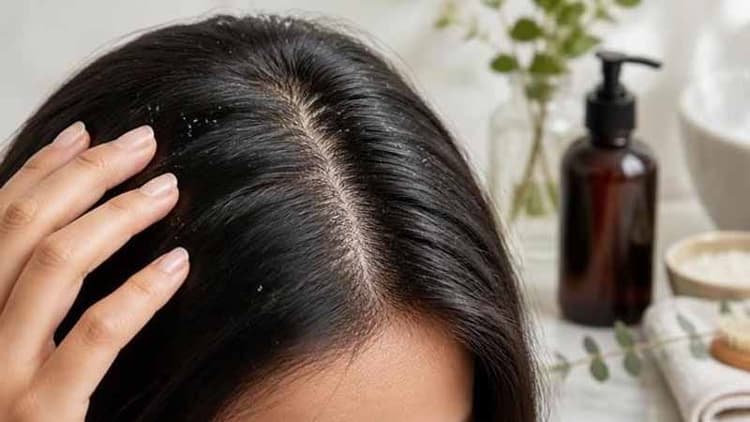
If dandruff keeps returning despite trying different shampoos, you may need a more targeted dandruff treatment. Common reasons include using the wrong active ingredient, incorrect application, scalp irritation, or an underlying skin condition. Understanding dandruff causes, distinguishing dandruff from a dry scalp, and choosing the right medicated shampoo can help control recurring flakes. If symptoms persist despite proper treatment, a dermatologist can identify the cause and recommend suitable care.
Also Read - Winter Dandruff Treatment: Ways To Treat Scalp Issues
1. Why Does Dandruff Keep Coming Back?
You try the best anti-dandruff shampoo, notice fewer flakes, and assume the problem is solved. A few weeks later, the itching returns, and your shoulders are covered in white specks again. Why does this happen?
Dandruff is often linked to Malassezia, a yeast that naturally lives on the scalp. In susceptible people, it can contribute to irritation and increased shedding of skin cells. Because dandruff tends to recur, one round of dandruff treatment may not keep symptoms away permanently.
If you are wondering why does dandruff come back after using anti dandruff shampoo, the answer may involve inconsistent use, an unsuitable ingredient, or a scalp condition that needs different care. Rather than repeatedly switching brands, focus on identifying the cause and following a consistent routine.
2. Common Dandruff Causes You Should Know
Understanding the possible dandruff causes can help you choose more effective dandruff remedies instead of relying on trial and error.
Common contributors include:
- Malassezia yeast: It can contribute to inflammation and flaking in people whose scalps are sensitive to it.
- Excess oil: Scalp oils can influence the environment in which this yeast thrives.
- Seborrhoeic dermatitis: This condition may cause persistent flakes, redness, itching, and greasy or yellowish scales.
- Hair-care products: Fragrances, dyes, and styling products may trigger irritation or allergic contact dermatitis.
- Weather and scalp sensitivity: Cold weather and low humidity can aggravate dryness or existing irritation.
Stress can influence how intensely certain symptoms are experienced. However, not every itchy, flaky scalp is caused by dandruff, so the right dandruff treatment depends on identifying what is actually happening.
Also Read: Make Your Hair Incredibly Voluminous & So Much Softer With This Scalp Detox
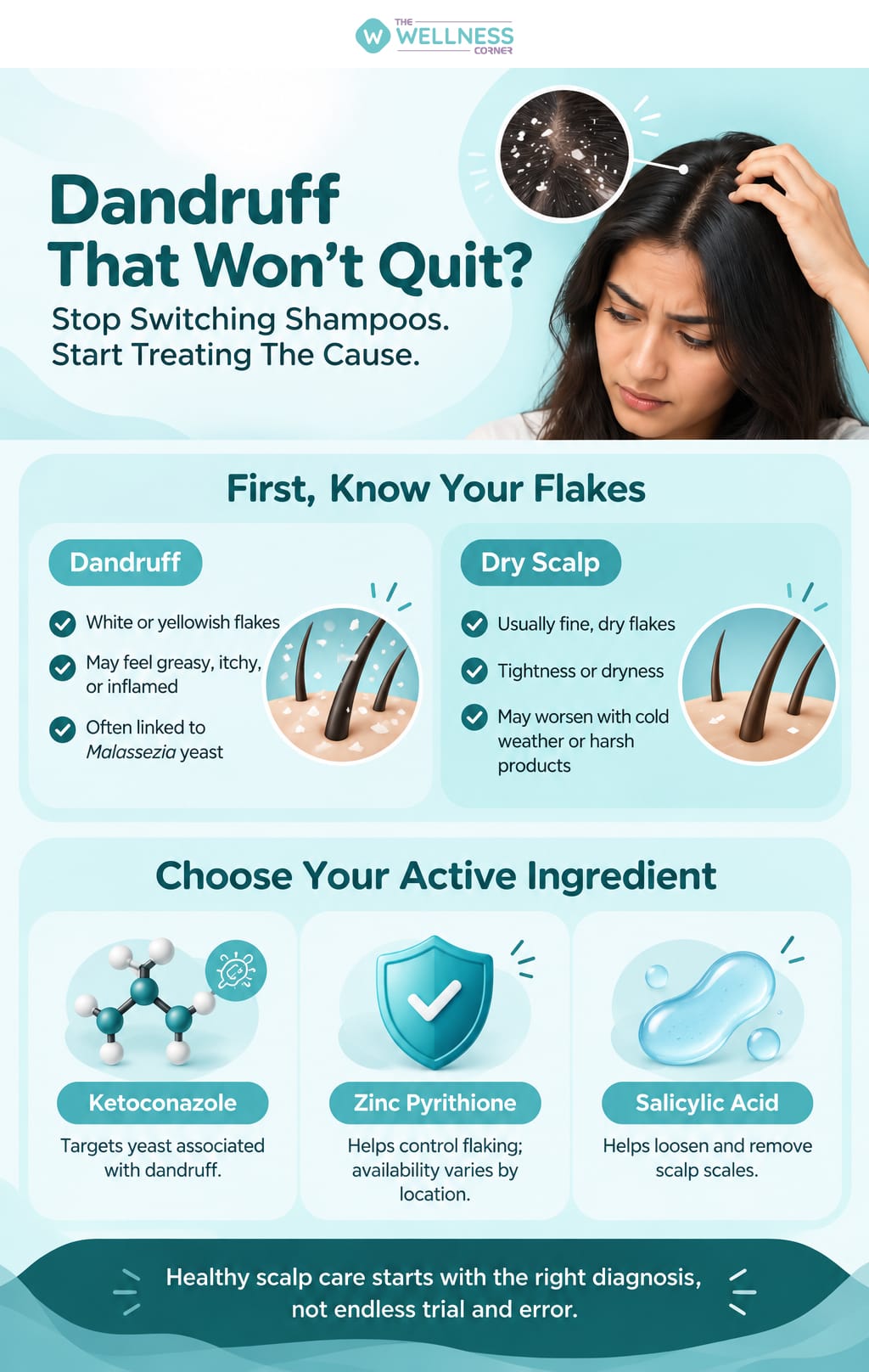
3. Dandruff Vs Dry Scalp: What's The Difference?
Knowing dandruff vs dry scalp symptoms can help you avoid using the wrong products. Both conditions cause flakes, but their underlying causes differ.
|
Feature |
Dandruff |
Dry scalp |
|
Flakes |
May be larger, greasy, white,
or yellowish |
Often smaller, dry, and fine |
|
Scalp condition |
May feel oily, itchy, or
inflamed |
Often feels tight or dry |
|
Possible cause |
Yeast-related inflammation and
oil |
Moisture loss or irritating
hair products |
|
Care approach |
Medicated anti-dandruff shampoo |
Gentle cleansing and avoiding
drying products |
If you are searching for how to tell dandruff from dry scalp, remember that these signs are only clues. Persistent scaling may also be caused by psoriasis, eczema, or contact dermatitis. A dermatologist can help distinguish these conditions when symptoms are unclear.
4. Which Ingredient Works Best For Dandruff?
The best anti dandruff shampoo is not necessarily the most expensive one. Its active ingredient should suit your scalp and symptoms.
Here are three common options to consider when choosing a dandruff treatment:
- Ketoconazole: An antifungal ingredient that helps control Malassezia, making it useful for certain cases of persistent dandruff.
- Zinc pyrithione: Helps manage flaking and microorganisms associated with dandruff. Its availability varies by country and formulation.
- Salicylic acid: Helps loosen and remove accumulated scales, although it may cause dryness or irritation in some people.
If you are researching which ingredient works best for dandruff, ketoconazole, zinc pyrithione, or salicylic acid, there is no single winner for everyone. Ketoconazole targets yeast, while salicylic acid helps remove scales. Zinc pyrithione is another option where available.
For stubborn dandruff treatment, check the active ingredient rather than relying only on brand names. Follow the label, and consult a pharmacist or dermatologist if you are unsure which product is suitable.
Also Read: 6 Reasons Why You Need Salicylic Acid In Your Skin Care Regime

5. How To Get Rid Of Dandruff With The Right Routine?
Learning how to get rid of dandruff involves more than buying a medicated shampoo. Correct use can make a meaningful difference.
- Apply shampoo to the scalp: Concentrate on the affected skin rather than only washing your hair lengths.
- Follow the contact time: Some medicated shampoos need to remain on the scalp for several minutes before rinsing.
- Understand how often to use anti dandruff shampoo: Frequency depends on the active ingredient, formulation, and severity of symptoms. Follow the product instructions.
- Avoid constant product switching: Give an appropriate product the recommended treatment period to work.
- Use maintenance care if needed: Dandruff can return after symptoms improve, and some people benefit from periodic use as directed.
If you are experiencing dandruff not going away even after medicated shampoo, check whether you are using it correctly. Excessive use may irritate your scalp, while infrequent use may not provide adequate control.
Other dandruff remedies include avoiding very hot showers, rinsing products thoroughly, and limiting hair products that trigger irritation. These measures can support treatment but may not replace medicated shampoo when it is needed.
6. Can Hard Water And Winter Make Dandruff Worse?
Some people notice more scalp discomfort after moving to an area with hard water. Dandruff due to hard water is often discussed because mineral deposits may contribute to residue, dryness, or rough-feeling hair. However, hard water is not established as the primary cause of dandruff.
Wondering why is my dandruff worse in winter? Low humidity, hot showers, and indoor heating may aggravate dryness and itching. Cold weather can also make an existing scalp condition feel worse.
Try washing with lukewarm water, rinsing thoroughly, and using gentle hair-care products. If your scalp remains flaky, a suitable dandruff treatment may still be necessary.
7. When To See A Dermatologist For Dandruff?
Knowing when to see a dermatologist for dandruff is important, especially when over-the-counter products have not helped.
Arrange a consultation if you experience:
- Persistent itching or significant redness.
- Thick scales, crusting, swelling, or painful areas.
- Flaking that spreads beyond the scalp.
- Patchy hair loss or broken hairs.
- Symptoms that continue despite using an appropriate medicated shampoo correctly.
A dermatologist can check for conditions such as seborrhoeic dermatitis, psoriasis, eczema, or a scalp infection. You may need a different shampoo or a prescription treatment rather than another product from the store.

Take The Next Step Towards A Healthier Scalp
Persistent dandruff can be frustrating, but changing shampoos repeatedly may not solve the problem. Understanding your scalp, choosing the right active ingredient, and following a consistent routine can help you manage recurring flakes.
Explore The Wellness Corner for practical health and wellness information to support your everyday care. If itching, scaling, or redness continues, seek personalised guidance from a dermatologist.
Frequently Asked Questions
Disclaimer: This article is intended for general educational and informational purposes only and should not be considered a substitute for personalized dermatological advice, diagnosis, or treatment. Skin and hair needs can vary considerably between individuals. If you experience persistent, unusual, or concerning changes, consult a qualified dermatologist or healthcare professional.**
Leave a Comment

Sign-Up Now & Unlock
₹100 Cashback
Subscribe to our Newsletter!
Get a weekly dose of wellness tips delivered straight to your inbox.
Recently Published
Related Articles


Health Checks @ Home
Service
Explore



Follow us on:


© 2026 Truworth Health Technologies Pvt. Ltd.