Dry Hair After Using An Anti-Dandruff Shampoo? The Correct Way To Use It Without Damaging Your Hair
4 days ago
5 minute read.
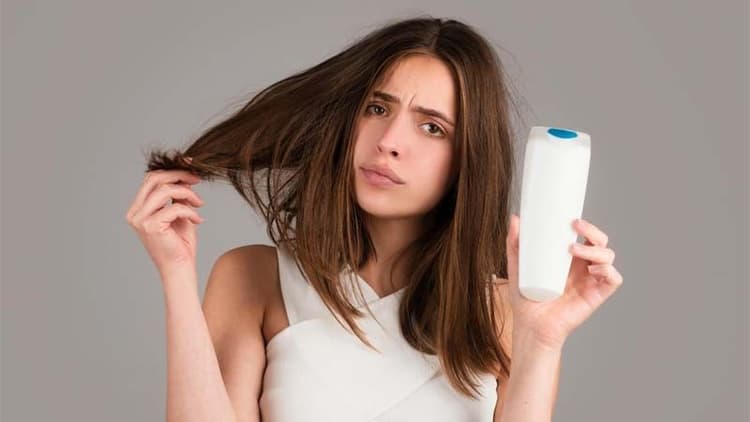
Anti-dandruff shampoos are often recommended for people struggling with:
- Flakes
- Scalp itching
- Oiliness
- Scalp irritation
- Visible dandruff buildup
For many individuals, these shampoos can help improve scalp hygiene and effectively reduce dandruff symptoms.
But there is one complaint that comes up surprisingly often:
“My flakes are better now, but my hair has started feeling very dry and rough.”
If you have experienced rough texture, frizz, dryness, or brittle hair after using an anti-dandruff shampoo, you are not alone.
The good news is that this does not always mean the shampoo is “bad.”
In many cases, the issue may involve:
- Overuse
- Incorrect application
- Scalp-hair imbalance
- Using harsh formulations too frequently
- Skipping hydration and conditioning
Understanding how anti dandruff shampoos work can help people manage dandruff without making the hair excessively dry.
Also Read: 7 Common Shampoo Mistakes That May Be Slowing Your Hair Growth
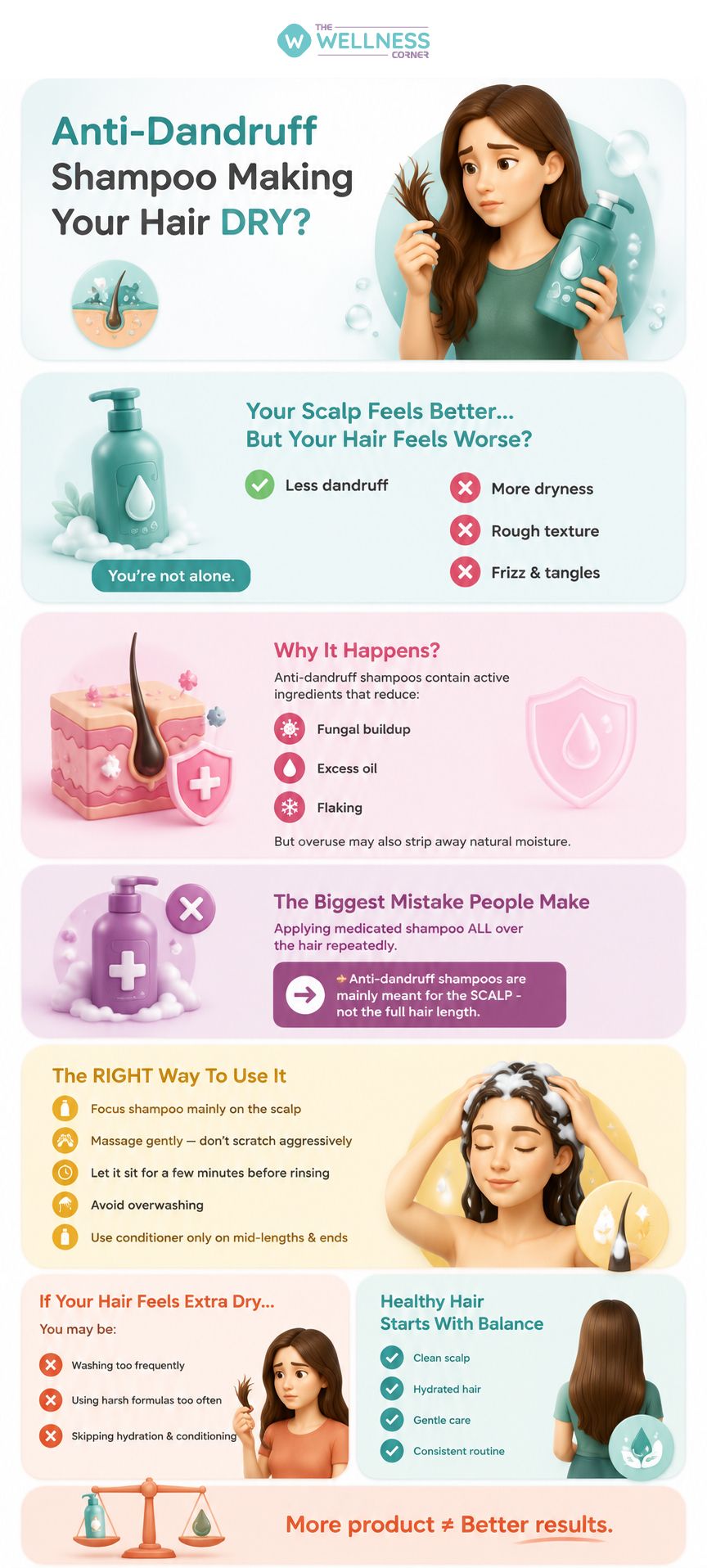
Why Anti-Dandruff Shampoos Sometimes Cause Dryness?
Anti-dandruff shampoos are mainly formulated to address problems affecting the scalp.
Many contain active ingredients that help reduce:
- Fungal overgrowth
- Oil buildup
- Flaking
- Scalp irritation
Common ingredients may include:
- Ketoconazole
- Zinc pyrithione
- Selenium sulfide
- Salicylic acid
- Coal tar
Also Read: How To Boost Your Skin Health With Zinc-Rich Foods?
While these ingredients may help control dandruff, some formulations can also reduce natural scalp oils significantly.
This may leave the hair feeling:
- Dry
- Rough
- Less smooth
- More tangled
- Frizzy
Especially when used incorrectly or too often.
Dandruff Treatment Focuses On The Scalp, Not The Hair Length
One common mistake many people make is applying anti-dandruff shampoo all over the hair repeatedly.
In reality, most dandruff treatments are mainly intended for the scalp.
Dandruff problems generally originate from the scalp rather than the hair strands themselves.
The hair strands themselves may not need repeated exposure to strong medicated ingredients.
Applying harsh shampoo aggressively to the full hair length every wash may increase dryness unnecessarily.
How To Use Anti-Dandruff Shampoo Correctly?
Proper usage can make a major difference.
1. Focus Mainly On The Scalp
When using anti-dandruff shampoo, concentrate the product primarily on the scalp rather than the entire hair length.
Massage gently into the scalp area where dandruff is present.
During rinsing, the shampoo naturally passes through the rest of the hair, which is usually sufficient for cleansing.
Also Read: 10 Hair Care Habits That May Actually Be Ruining Your Hair
2. Avoid Overwashing
Some people begin washing their hair excessively after noticing dandruff.
However, over-cleansing may worsen dryness and scalp irritation.
Unless specifically advised by a healthcare professional, using medicated shampoo too frequently may disrupt the scalp’s natural balance.
Following the recommended usage instructions matters.
3. Use Conditioner Properly
Many individuals avoid conditioner because they fear it may worsen dandruff.
But conditioner is usually meant for the hair strands, not the scalp.
Applying conditioner to the mid-lengths and ends may help improve:
- Softness
- Manageability
- Hydration
- Frizz control
Avoid applying heavy conditioner directly onto the scalp unless recommended.
4. Do Not Scratch The Scalp Aggressively
Dandruff often causes itching, but excessive scratching may irritate the scalp further.
This irritation can sometimes worsen:
- Inflammation
- Sensitivity
- Hair dryness
- Scalp discomfort
Gentle cleansing is usually better than aggressive scrubbing.
5. Give the Shampoo Time To Work
Many medicated shampoos require a short contact period before rinsing.
People often wash them away too quickly.
Allowing the product to remain on the scalp for a few minutes may help the active ingredients work more effectively.
Always follow product instructions carefully.
Why Some Hair Types Feel Drier Than Others?
Not everyone reacts to anti-dandruff shampoos the same way.
Dryness may depend on factors such as:
- Hair texture
- Scalp type
- Frequency of washing
- Chemical treatments
- Weather conditions
- Heat styling habits
People with naturally curly, textured, or chemically treated hair may notice dryness more easily.
Also Read: Struggling With White Hair And Hair Fall? This Natural Remedy Is Gaining Attention
Can Dandruff Itself Affect Hair Texture?
Yes, sometimes the scalp condition itself may affect how hair feels.
An unhealthy scalp environment may contribute to:
- Oil imbalance
- Irritation
- Inflammation
- Product buildup
This can make hair appear dull or rough even before treatment begins.
Healthy hair often begins with scalp care.
Natural Oils And DIY Remedies Are Not Always Risk-Free
Many people immediately switch to heavy oils or home remedies after experiencing dryness.
However, not every DIY treatment works for everyone.
Some oils or homemade mixtures may:
- Increase buildup
- Irritate sensitive scalps
- Worsen fungal growth in some individuals
Balance is important.
Natural does not automatically mean suitable for every scalp condition.
When To See A Dermatologist?
Persistent dandruff may sometimes require professional evaluation.
It may be important to seek professional medical guidance if symptoms include:
- Severe itching
- Redness
- Painful scalp irritation
- Excessive flaking
- Hair shedding
- No improvement despite treatment
Not every flaky scalp condition is simple dandruff.
Conditions such as:
- Seborrheic dermatitis
- Psoriasis
- Eczema
- Fungal infections
May sometimes appear similar.
Why Scalp Health Is Becoming A Bigger Wellness Topic?
Modern lifestyle factors may affect scalp health more than many people realize.
These may include:
- Stress
- Pollution
- Sweating
- Irregular hair washing
- Excessive styling products
- Heat exposure
- Dietary imbalance
The growing focus on scalp care reflects a broader understanding that healthy hair is closely connected to overall scalp wellness.

The Bigger Picture: Strong Hair Needs Both Cleansing And Balance
People often focus only on removing dandruff as quickly as possible.
But long-term hair wellness usually requires a balance between:
- Scalp cleansing
- Hydration
- Gentle care
- Healthy routines
- Avoiding excessive irritation
Using stronger products more aggressively does not always lead to better results.
Sometimes, healthier hair comes from consistency and moderation rather than harsh treatment.
Support Healthier Self-Care Habits With The Wellness Corner
Scalp care, stress management, nutrition, hydration, sleep, and lifestyle habits can all influence overall hair and skin wellness.
The Wellness Corner offers expert-backed guidance on preventive care, emotional wellness, fitness, nutrition, mindfulness, and healthier lifestyle habits to help individuals build sustainable self-care routines from the inside out.
Because healthy living reflects in both your body and confidence.
Frequently Asked Questions (FAQs)
Leave a Comment

Sign-Up Now & Unlock
₹100 Cashback
Subscribe to our Newsletter!
Get a weekly dose of wellness tips delivered straight to your inbox.
Recently Published
Related Articles


Health Checks @ Home
Service
Explore



Follow us on:


© 2026 Truworth Health Technologies Pvt. Ltd.