Foods Dermatologists Recommend Limiting For Healthier Skin
16 days ago
5 minute read.
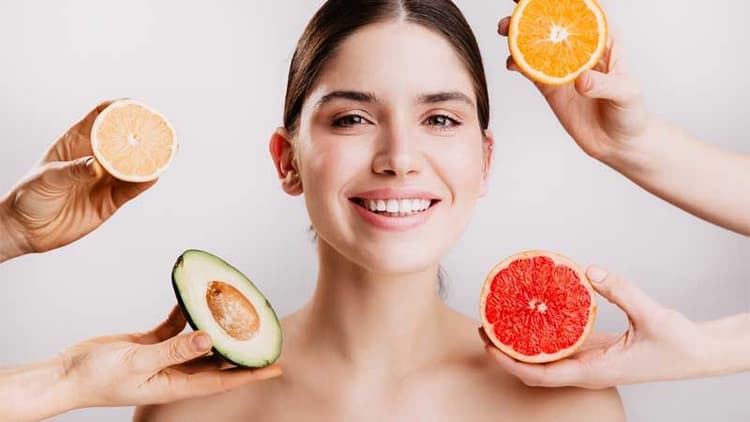
Healthy skin is influenced by many factors, including genetics, hormones, stress levels, sleep, skincare habits, and nutrition. While no single food can guarantee glowing skin or instantly cause skin problems, growing research suggests that certain dietary choices may contribute to issues like acne, inflammation, and premature skin aging in some people.
Dermatologists often emphasize that it's not about completely eliminating specific foods but rather understanding how they affect your body and making balanced choices. If you've been investing in skincare products but still struggle with frequent breakouts or dull-looking skin, it may be worth taking a closer look at what's on your plate.
Here are three foods that dermatologists commonly recommend limiting to support healthier skin, along with practical alternatives that can help nourish your skin from within.
Also Read: Can Applying Tomato On The Face Daily Benefit Your Skin?
Your Diet And Your Skin Are More Connected Than You Think
The skin is your body's largest organ, and like every other organ, it depends on proper nutrition to function well. Vitamins, minerals, healthy fats, antioxidants, and adequate hydration all contribute to maintaining the skin barrier, supporting collagen production, and reducing inflammation.
On the other hand, some foods may influence hormone levels, blood sugar, or inflammatory pathways, which can affect skin health in susceptible individuals.
This doesn't mean these foods are harmful for everyone. Instead, moderation and understanding your body's response are key.
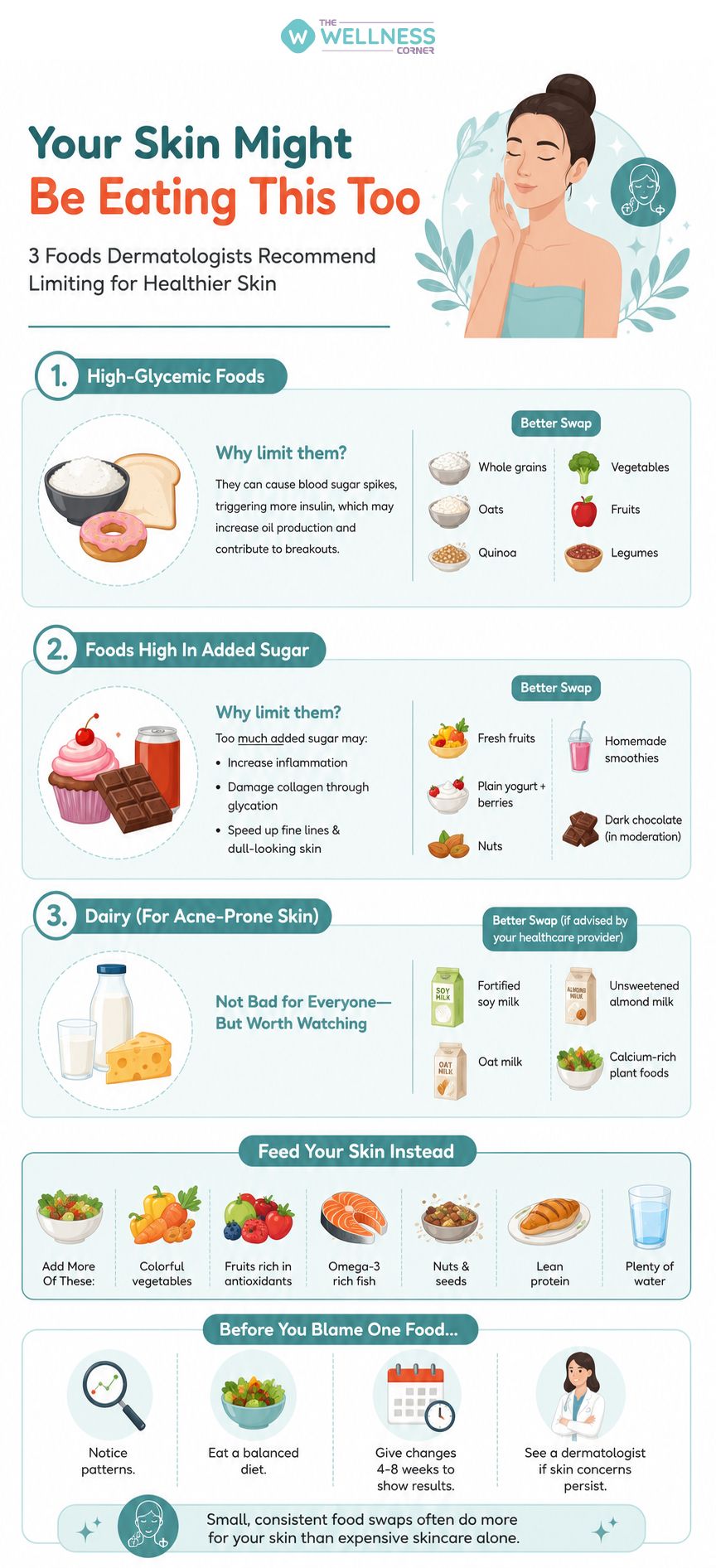
1. High-Glycemic Foods
Foods that quickly raise blood sugar levels are known as high-glycemic foods. These include:
- White bread
- Sugary breakfast cereals
- White rice
- Pastries
- Candy
- Sweetened beverages

Why Dermatologists Recommend Limiting Them?
When blood sugar rises rapidly, the body releases more insulin. Higher insulin levels may stimulate hormones that increase oil production in the skin.
For people who are prone to acne, this excess oil can contribute to clogged pores and breakouts.
Several studies have found that low-glycemic eating patterns may help improve acne severity in some individuals.
Better Choices
Instead of relying on refined carbohydrates, try choosing:
- Whole grains
- Oats
- Brown rice
- Quinoa
- Fresh fruits
- Vegetables
- Legumes
These foods release energy more gradually while providing fiber and important nutrients.
Also Read: Importance Of Glycemic Index - An Overview
2. Foods High In Added Sugar
Added sugar is found in many everyday foods, including:
- Soft drinks
- Packaged desserts
- Sweetened coffee beverages
- Ice cream
- Biscuits
- Chocolates
- Flavored yogurts
How Excess Sugar May Affect Your Skin?
Eating too much added sugar may contribute to inflammation throughout the body.
Excess sugar can also promote a process called glycation, where sugar molecules attach to proteins like collagen and elastin. Over time, this may reduce skin elasticity and contribute to the appearance of fine lines and wrinkles.
While occasional treats are perfectly reasonable, consistently consuming large amounts of added sugar may make it harder for your skin to maintain its natural resilience.
Better Choices
You don't have to give up sweetness completely.
Consider replacing sugary snacks with:
- Fresh fruit
- Plain yogurt with berries
- Nuts
- Homemade smoothies
- Dark chocolate in moderation
These options provide nutrients while helping reduce excessive sugar intake.


Foods That Support Healthy Skin
Rather than focusing only on foods to reduce, it's equally important to include foods that nourish your skin.
A skin-friendly eating pattern often includes:
- Colorful fruits and vegetables
- Healthy fats from nuts and seeds
- Fatty fish rich in omega-3 fatty acids
- Whole grains
- Lean protein
- Plenty of water
These foods provide antioxidants, vitamins, minerals, and healthy fats that support the skin's natural repair processes.
Also Read: How To Add Healthy Fats To Your Diet?
Lifestyle Matters Just As Much
Food is only one piece of the puzzle.
Healthy skin also benefits from:
- Getting enough sleep
- Managing stress
- Staying physically active
- Protecting your skin from excessive sun exposure
- Following a consistent skincare routine
- Drinking adequate water
Combining healthy eating with these everyday habits often produces better long-term results than relying on any single dietary change.

Should You Completely Avoid These Foods?
For most people, the answer is no.
Completely eliminating foods without a medical reason can make eating more stressful and unnecessarily restrictive.
Instead, pay attention to patterns.
If you notice that certain foods consistently seem to worsen your skin, keeping a simple food and symptom journal may help identify possible triggers.
If skin concerns continue despite healthy lifestyle habits, consulting a dermatologist can help identify the underlying cause and recommend appropriate treatment.
Small Changes Can Make A Big Difference
Healthy skin isn't built overnight, and there's rarely one single food responsible for every breakout or skin concern.
Making gradual improvements to your eating habits, choosing more whole foods, reducing highly processed options, and maintaining an overall balanced lifestyle can support both your skin and your overall well-being.
Consistency usually delivers better results than dramatic dietary changes.

Frequently Asked Questions
Leave a Comment

Sign-Up Now & Unlock
₹100 Cashback
Recently Published
Related Articles


Health Checks @ Home
Service
Explore



Follow us on:


© 2026 Truworth Health Technologies Pvt. Ltd.