Fungal Acne: How And Why It Occurs?
2 days ago
5 minute read.
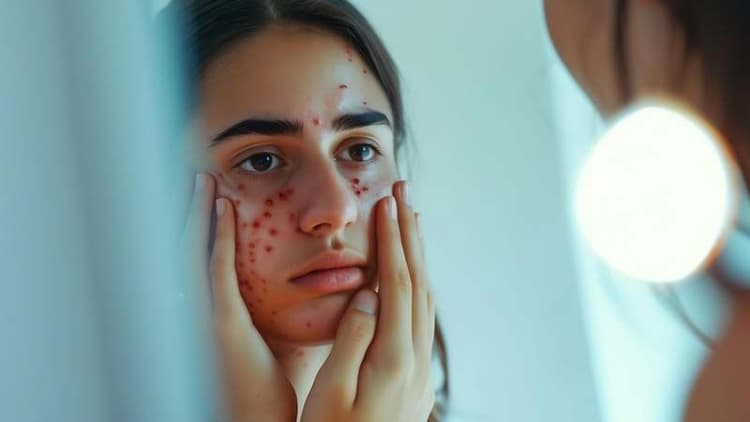
Have you ever treated what looked like acne for weeks, only to find that the bumps refused to go away? You switched face washes, tried spot treatments, and even invested in expensive skincare products, yet the tiny, itchy breakouts remained exactly the same. If you've experienced this, your skin concern may not actually be traditional acne.
One condition that is often mistaken for acne is fungal acne, medically known as Malassezia folliculitis. Despite its popular name, fungal acne is not actually acne. Instead, it is a skin condition caused by the overgrowth of a naturally occurring yeast that lives on the skin.
Because fungal acne closely resembles ordinary acne, many people unknowingly use treatments that can actually make it worse. Understanding how it develops, what triggers it, and how it differs from acne vulgaris can help you seek appropriate care and improve your skin health.
Also Read: 6 Expert-Backed Tips For Staying Acne-Free After Waxing
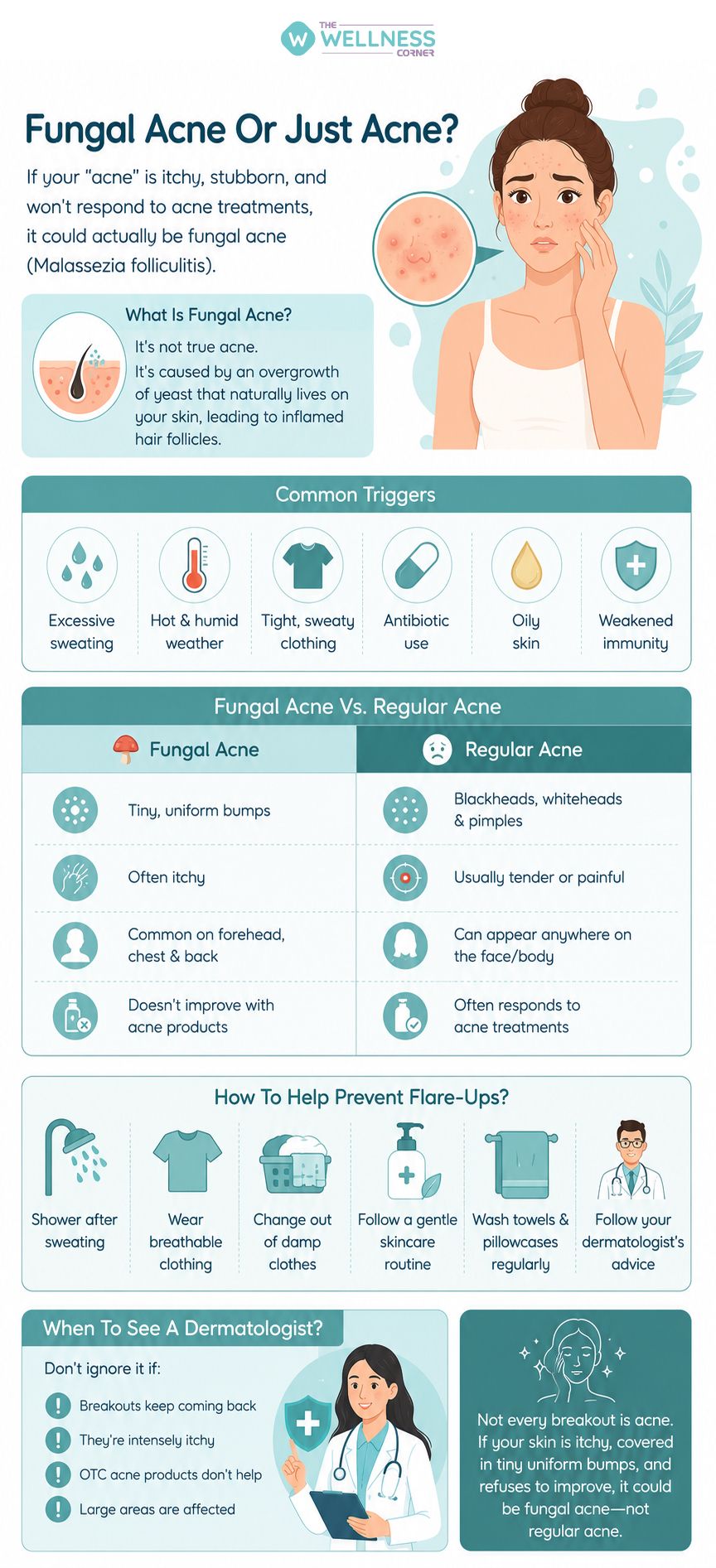
What Is Fungal Acne?
Fungal acne is an inflammation of the hair follicles caused by an overgrowth of Malassezia, a type of yeast that normally exists on healthy skin.
Under normal conditions, this yeast coexists peacefully with other microorganisms that form the skin's natural microbiome. However, when conditions become favorable for excessive yeast growth, it can multiply rapidly and inflame the hair follicles.
The result is a cluster of small, uniform bumps that closely resemble acne.
Unlike bacterial acne, fungal acne is not caused by clogged pores filled with oil and bacteria.
Also Read: 9 Things To Try When Acne Won’t Clear
Why Does Fungal Acne Develop?
Several factors can disturb the balance of microorganisms living on the skin, allowing yeast to grow excessively.
1. Excessive Sweating
Warm, moist environments provide ideal conditions for yeast to multiply.
People who exercise frequently or spend long hours in hot, humid climates may have a higher chance of developing fungal acne.
2. Humid Weather
High humidity creates a favorable environment for yeast growth.
This explains why some people notice worsening symptoms during summer months.
3. Tight Clothing
Clothing that traps sweat and heat against the skin may increase friction and moisture, encouraging yeast overgrowth.
4. Antibiotic Use
Broad-spectrum antibiotics reduce certain bacteria on the skin.
When bacterial populations decrease, yeast may multiply more easily due to reduced competition.
5. Oily Skin
Malassezia feeds on skin oils, making oil-rich areas more susceptible.
6. Weakened Immune Function
Certain medical conditions or treatments that affect the immune system may increase susceptibility to fungal skin infections.
How Is Fungal Acne Different From Regular Acne?
Although they may look similar, fungal acne and acne vulgaris have several important differences.
1. Appearance
Fungal acne typically appears as:
- Small bumps of similar size
- Clusters of tiny pimples
- Uniform lesions
Traditional acne often includes:
- Blackheads
- Whiteheads
- Large inflamed pimples
- Cysts
- Nodules
Also Read: Easy Remedies For Blackheads
2. Itching
One of the hallmark symptoms of fungal acne is itching.
Regular acne usually causes tenderness rather than itchiness.
3. Distribution
Fungal acne commonly affects:
- Forehead
- Chest
- Upper back
- Shoulders
- Hairline
These are areas where sweat and oil production are often greater.
4. Response To Acne Treatments
Conventional acne products may provide little improvement or sometimes worsen fungal acne because they do not address yeast overgrowth.
Also Read: Acne Got You Feeling Down? Ways To Boost Your Self-Esteem And Be Less Self-Conscious
Common Symptoms Of Fungal Acne
People with fungal acne may experience:
- Small, itchy bumps
- Red inflamed follicles
- Clusters of similar-looking pimples
- Persistent breakouts
- Recurring flare-ups after sweating
If breakouts remain unchanged despite standard acne treatment, fungal acne may deserve consideration.
Can Certain Skincare Products Make It Worse?
Some skincare products may create conditions that allow yeast to thrive.
Products containing heavy oils or occlusive ingredients may not suit everyone experiencing fungal acne.
This does not mean oils are harmful for every individual. Skin type and underlying conditions vary considerably.
A dermatologist can help determine which ingredients are appropriate for your skin.
How Is Fungal Acne Diagnosed?
Because fungal acne resembles other skin conditions, self-diagnosis can be difficult.
A dermatologist may evaluate:
- Appearance of the lesions
- Medical history
- Distribution of the rash
- Presence of itching
- Response to previous treatments
In some cases, additional tests may be performed to confirm the diagnosis.
Professional evaluation helps ensure appropriate treatment and avoids unnecessary medication.
Treatment Options For Fungal Acne
Treatment depends on the severity of the condition and individual circumstances.
A healthcare professional may recommend:
1. Topical Antifungal Medications
These are often the first line of treatment for mild cases.
2. Oral Antifungal Medications
More persistent or widespread cases may require prescription oral medications.
These treatments should only be used under medical supervision.
3. Lifestyle Adjustments
Simple habits can also help reduce recurrence.
Tips To Help Prevent Fungal Acne
While fungal acne cannot always be prevented, several practical steps may reduce the risk of flare-ups.
1. Shower After Sweating
Removing sweat promptly may help reduce moisture that encourages yeast growth.
2. Wear Breathable Clothing
Loose-fitting fabrics allow better airflow and reduce heat buildup.
3. Change Out Of Damp Clothes
Avoid remaining in sweaty workout clothes for long periods.
4. Maintain Gentle Skincare
Avoid excessive scrubbing or harsh cleansing that may irritate the skin.
5. Wash Bedding Regularly
Clean pillowcases, towels, and workout clothing may help maintain overall skin hygiene.
6. Follow Medical Advice
If fungal acne recurs frequently, consult a dermatologist for long-term management recommendations.
Can Diet Cause Fungal Acne?
Current scientific evidence does not clearly establish that specific foods directly cause fungal acne.
However, maintaining a balanced diet supports overall skin health and immune function.
General healthy eating habits include:
- Plenty of fruits and vegetables
- Whole grains
- Lean proteins
- Healthy fats
- Adequate hydration
These choices support overall well-being, although they may not directly eliminate fungal acne.
Also Read: How To Add Healthy Fats To Your Diet?
When Should You See A Dermatologist?
You should consider seeking medical advice if:
- Breakouts persist despite acne treatment.
- The bumps are intensely itchy.
- Symptoms continue to return.
- Large areas of skin become affected.
- Over-the-counter products fail to improve the condition.
Early diagnosis helps prevent unnecessary frustration and allows appropriate treatment to begin sooner.

Final Thoughts
Fungal acne is often misunderstood because it closely resembles traditional acne. However, the underlying causes are very different. While regular acne develops due to clogged pores and bacteria, fungal acne results from an overgrowth of naturally occurring yeast within the hair follicles.
Recognizing the differences can help you avoid treatments that may not be effective and encourage you to seek professional guidance when needed.
Healthy skin begins with understanding what your skin is truly trying to tell you. Rather than assuming every breakout is acne, paying attention to symptoms such as itching, uniform bumps, and recurring flare-ups can help you identify when expert evaluation may be beneficial.
Care For Your Skin With The Wellness Corner
Healthy skin reflects overall health. Along with proper skincare, nutrition, hydration, stress management, sleep, and preventive healthcare all contribute to maintaining healthier skin.
The Wellness Corner provides expert-backed guidance on nutrition, fitness, mental well-being, preventive healthcare, healthy lifestyle practices, and overall wellness, empowering you to make informed choices for better health every day.
Frequently Asked Questions (FAQs)
Leave a Comment

Sign-Up Now & Unlock
₹100 Cashback
Subscribe to our Newsletter!
Get a weekly dose of wellness tips delivered straight to your inbox.
Recently Published
Related Articles


Health Checks @ Home
Service
Explore



Follow us on:


© 2026 Truworth Health Technologies Pvt. Ltd.