Should You Exercise When You’re Sleep-Deprived?
3 months ago
5 minute read.
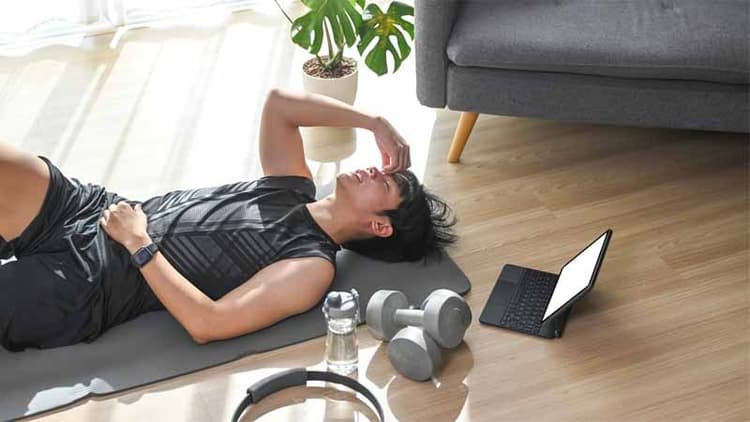
You planned your workout the night before.
- Your gym clothes are ready.
- Your fitness goals are clear.
- Your schedule says it is workout time.
But then reality happens.
You barely slept.
- Maybe work stress kept you awake.
- Maybe your child woke up repeatedly.
- Maybe anxiety, deadlines, screen time, or poor sleep habits disrupted your rest.
Now comes the difficult question many people face:
“Would exercising today help me, or does my body need proper rest and recovery instead?”
The answer is not always simple.
Exercise is important for health, but sleep is equally essential for:
- Recovery
- Energy
- Mental focus
- Muscle repair
- Hormonal balance
- Overall wellness
In some situations, light movement may actually help the body feel better.
In some situations, forcing intense activity despite extreme lack of sleep may add additional strain to the body.
Learning how sleep and physical activity influence each other may help people make more balanced and practical fitness choices.
Also Read: Is The 8-Hour Sleep Rule A Myth? What Science Really Says?
Why Sleep Matters So Much For The Body?
Sleep is not simply “downtime.”
During sleep, the body performs important recovery functions related to:
- Muscle repair
- Hormonal regulation
- Immune function
- Brain recovery
- Memory processing
- Energy restoration
Poor sleep may affect both physical and mental performance more than many people realize.
Even one night of inadequate sleep may influence:
- Reaction time
- Coordination
- Mood
- Focus
- Exercise endurance
- Motivation
This is why sleep is considered a major part of fitness, not separate from it.
What Happens To The Body During Sleep Deprivation?
When people do not sleep enough, the body often experiences increased physiological stress.
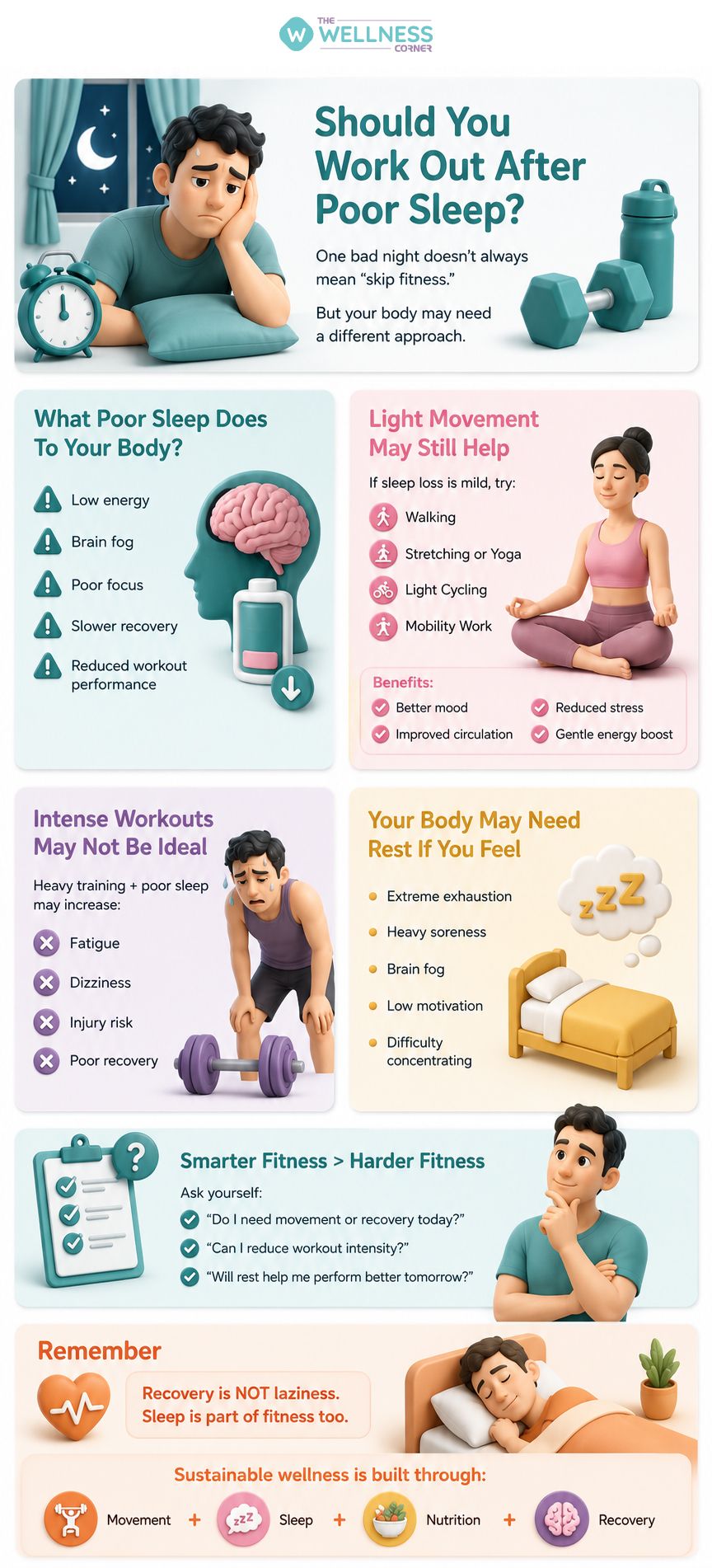
Sleep deprivation may contribute to:
- Fatigue
- Brain fog
- Reduced concentration
- Lower physical performance
- Increased irritability
- Higher perceived effort during workouts
Some research also suggests that poor sleep may influence hormones connected to:
- Appetite
- Recovery
- Stress regulation
- Muscle repair
Over time, chronic sleep deprivation may affect long-term health and fitness consistency.
Also Read: Is Anxiety Brain Fog Real? | Everything You Need To Know

Is It Always Bad To Exercise While Sleep-Deprived?
Not necessarily.
The answer often depends on:
- How sleep-deprived you are
- The intensity of the planned workout
- Your physical condition
- Your recovery status
- How your body feels overall
For certain individuals, light physical activity may help boost mood and energy levels even after inadequate sleep.
However, intense exercise during severe exhaustion may sometimes increase strain on the body.
When Light Exercise May Still Be Helpful?
If sleep loss is mild, lighter physical activity may still offer benefits.
Gentle movement may support:
- Circulation
- Mood
- Mental clarity
- Stress reduction
- Mobility
- Energy regulation
Examples may include:
- Walking
- Stretching
- Yoga
- Light cycling
- Mobility exercises
- Low-intensity strength work
In some cases, movement may help people feel more awake temporarily.
Also Read: How To Improve Flexibility And Mobility Without Stretching?
When Intense Workouts May Not Be Ideal?
Hard training sessions while severely sleep-deprived may sometimes increase risk of:
- Poor recovery
- Reduced performance
- Fatigue
- Injury
- Dizziness
- Poor coordination
Sleep deprivation may affect reaction time and concentration, which becomes especially important during:
Listening to the body becomes important.

Why Sleep-Deprived Workouts Often Feel Harder?
Many people notice workouts feel unusually difficult after poor sleep.
This may happen because sleep influences:
- Energy production
- Mental focus
- Motivation
- Perceived exertion
A workout that normally feels manageable may suddenly feel exhausting after inadequate rest.
This does not necessarily mean fitness levels disappeared overnight.
The body is simply operating with reduced recovery resources.
Why The “Always Push Harder” Mentality May Sometimes Backfire?
Modern fitness culture often glorifies extreme discipline.
People are frequently told:
- “No excuses.”
- “Push harder.”
- “Never skip workouts.”
While consistency matters, ignoring exhaustion completely may not always support long-term wellness.
Rest is not laziness.
Recovery is part of fitness too.
Healthy routines usually involve balance rather than constant self-punishment.
Also Read - Muscle Soreness After The Gym: Tips For Faster Recovery

Can Exercise Help Improve Sleep Later?
Interestingly, regular physical activity may help support healthier sleep patterns over time.
Consistent exercise may contribute to:
- Stress reduction
- Improved mood
- Better sleep quality
- Healthier energy regulation
However, extremely intense exercise late at night may sometimes affect sleep in sensitive individuals.
Balance and timing matter.
Signs Your Body May Need Rest Instead Of Intense Exercise
Sometimes the body signals that recovery should take priority.
Possible signs may include:
- Extreme exhaustion
- Persistent fatigue
- Dizziness
- Brain fog
- Heavy muscle soreness
- Difficulty concentrating
- Feeling physically unwell
In these situations, lighter activity or rest may be more beneficial than intense training.
Why Recovery Is Part Of Fitness Progress?
Many people focus heavily on workouts while overlooking recovery completely.
But the body often improves during recovery periods, not only during exercise itself.
Recovery supports:
- Muscle repair
- Hormonal balance
- Nervous system recovery
- Energy restoration
- Injury prevention
Without adequate recovery, fitness progress may become harder to sustain.
Sleep, Stress, And Fitness Are Deeply Connected
Modern lifestyles often create overlapping challenges involving:
- Stress
- Screen exposure
- Busy schedules
- Irregular sleep
- Mental exhaustion
These factors may affect both sleep and exercise consistency.
This is why overall wellness should ideally focus on the bigger picture rather than isolated habits alone.
How To Make Smarter Workout Decisions After Poor Sleep?
Instead of following rigid rules, many people benefit from asking:
- How exhausted do I actually feel?
- Am I physically safe to train intensely today?
- Would lighter movement feel more supportive?
- Do I need recovery more than intensity right now?
Some days, adjusting the workout may be healthier than forcing maximum performance.
Healthy Alternatives To Intense Training On Low-Sleep Days
If energy feels low, options may include:
- Walking outdoors
- Gentle yoga
- Stretching
- Mobility work
- Breathing exercises
- Short low-intensity workouts
Consistency does not always mean maximum intensity every day.
The Bigger Picture: Fitness Is Not Only About Pushing Harder
Many people believe success in fitness always comes from doing more.
But sustainable wellness often depends on balancing:
- Exercise
- Sleep
- Nutrition
- Stress management
- Recovery
- Mental well-being
Sometimes resting intelligently may support progress more effectively than forcing another exhausting workout.
Long-term fitness success is often built on balance, recovery, and self-awareness rather than constant high-intensity effort alone.
Support Better Wellness Habits With The Wellness Corner
Sleep, recovery, emotional health, nutrition, movement, and stress management all work together to support overall well-being.
The Wellness Corner offers expert-backed guidance on fitness, emotional wellness, preventive care, mindfulness, nutrition, and healthier lifestyle habits to help individuals build more balanced and sustainable wellness routines.
Because true health includes both movement and recovery.
Frequently Asked Questions (FAQs)
Leave a Comment

Sign-Up Now & Unlock
₹100 Cashback
Recently Published
Related Articles


Health Checks @ Home
Service
Explore



Follow us on:


© 2026 Truworth Health Technologies Pvt. Ltd.