Healthy Aging Through Yoga: Build Strength, Improve Mobility, And Thrive
1 month ago
6 minute read.
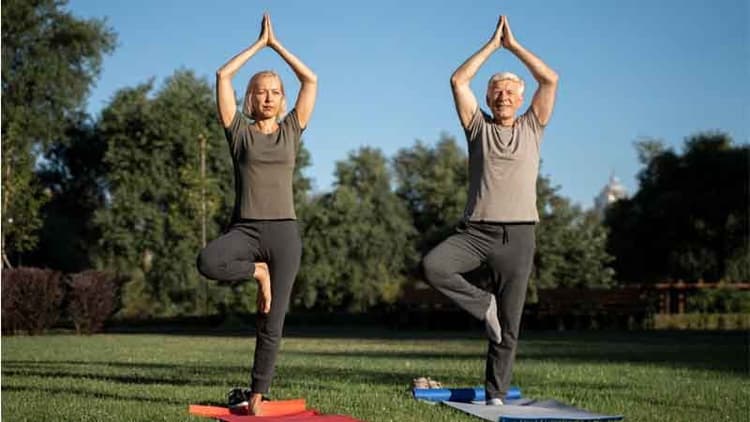
Growing older is an inevitable part of life, but how we age is influenced by the choices we make every day. While aging often brings changes such as reduced flexibility, muscle loss, joint stiffness, and slower recovery, it does not mean giving up an active, fulfilling lifestyle.
One of the most effective ways to support healthy aging is through yoga. More than just a form of exercise, yoga combines mindful movement, controlled breathing, and relaxation techniques that benefit both the body and mind. Whether you are in your 40s planning for long-term wellness or in your 60s and beyond looking to stay active, yoga offers gentle yet powerful tools to help maintain mobility, balance, strength, and emotional well-being.
The best part? You do not need to be extremely flexible or physically fit to begin. Yoga can be adapted to suit people of all ages and fitness levels, making it an accessible practice for lifelong health.
Let's explore how yoga supports healthy aging and why it deserves a place in your daily routine.
Also Read: Yoga Practices To Clean Your Aura And Restore Inner Balance
Why Healthy Aging Matters?
Healthy aging focuses on more than just adding years to life. It is about preserving your ability to enjoy life, remain independent, and continue doing the activities you love.
As we age, the body naturally experiences:
- Reduced muscle mass
- Decreased bone density
- Joint stiffness
- Slower metabolism
- Reduced balance and coordination
- Increased stress and sleep disturbances
While these changes are common, regular physical activity and mindful lifestyle habits can help slow their progression. Yoga addresses many of these age-related concerns simultaneously.
How Yoga Supports Healthy Aging?
One of the first physical changes many people notice with age is stiffness.
Yoga gently stretches muscles and moves joints through their natural range of motion, helping maintain flexibility and reduce discomfort.
Improved flexibility may make everyday tasks easier, such as:
- Reaching overhead
- Climbing stairs
- Bending to tie shoes
- Getting up from a chair
Consistent practice helps keep the body moving comfortably.
Also Read: The Secret To Aging Gracefully

Builds Strength Without High Impact
Strength naturally declines with age, increasing the risk of falls and injuries.
Many yoga poses require you to support your own body weight, helping strengthen:
- Legs
- Core muscles
- Back
- Arms
- Hips
Unlike high-impact workouts, yoga builds functional strength while placing less stress on the joints.
Enhances Balance And Stability
For older adults, falls remain a significant health concern.
Yoga includes numerous standing postures that challenge balance in a safe and controlled manner.
Improved balance helps reduce fall risk while increasing confidence during daily activities.
Better stability also supports:
- Walking
- Climbing stairs
- Carrying groceries
- Outdoor activities
Also Read: Hip Pain While Walking Or Using Stairs? Don’t Ignore These Warning Signs
Supports Bone Health
As people grow older, bone density gradually declines, especially after menopause.
Weight-bearing yoga poses place gentle stress on bones, encouraging them to remain stronger.
Although yoga cannot completely prevent osteoporosis, regular practice may contribute to maintaining bone health when combined with appropriate nutrition and medical care.

Encourages Better Posture
Many people develop rounded shoulders, neck strain, or poor posture from years of sitting at desks or using electronic devices.
Yoga strengthens the muscles that support proper alignment while increasing body awareness.
Better posture may reduce:
- Neck discomfort
- Back pain
- Shoulder tension
- Muscle fatigue
Standing taller can also improve breathing efficiency and confidence.
Supports Heart Health
Yoga is not only beneficial for muscles and joints.
Research suggests regular yoga practice may help support cardiovascular health by contributing to:
- Healthy blood pressure
- Improved circulation
- Better stress management
- Increased physical activity
Gentle movement combined with breathing exercises creates a balanced approach to heart wellness.
Also Read: The Morning Habit That’s Secretly Spiking Your Stress Hormones
Reduces Stress And Supports Emotional Well-Being
Healthy aging involves emotional health just as much as physical health.
Yoga encourages mindfulness, relaxation, and deep breathing, helping calm the nervous system.
Regular practice may help reduce:
- Stress
- Anxiety
- Mental fatigue
- Emotional tension
Many people also report feeling more emotionally balanced after practicing yoga consistently.
Promotes Better Sleep
Sleep often becomes more challenging with age.
Yoga promotes better sleep by helping the body and mind unwind through:
- Relaxing tense muscles
- Reducing stress
- Slowing breathing
- Encouraging mental calmness
Even a short evening yoga session may help improve sleep quality for some individuals.
Also Read: Is The 8-Hour Sleep Rule A Myth? What Science Really Says?
Supports Brain Health
Healthy aging also means supporting cognitive function.
Mindful movement, breathing exercises, and meditation require concentration and body awareness, which help keep the brain engaged.
Emerging research suggests yoga may support:
- Memory
- Attention
- Mental clarity
- Emotional resilience
Although yoga is not a cure for cognitive decline, it can be a valuable component of overall brain health.
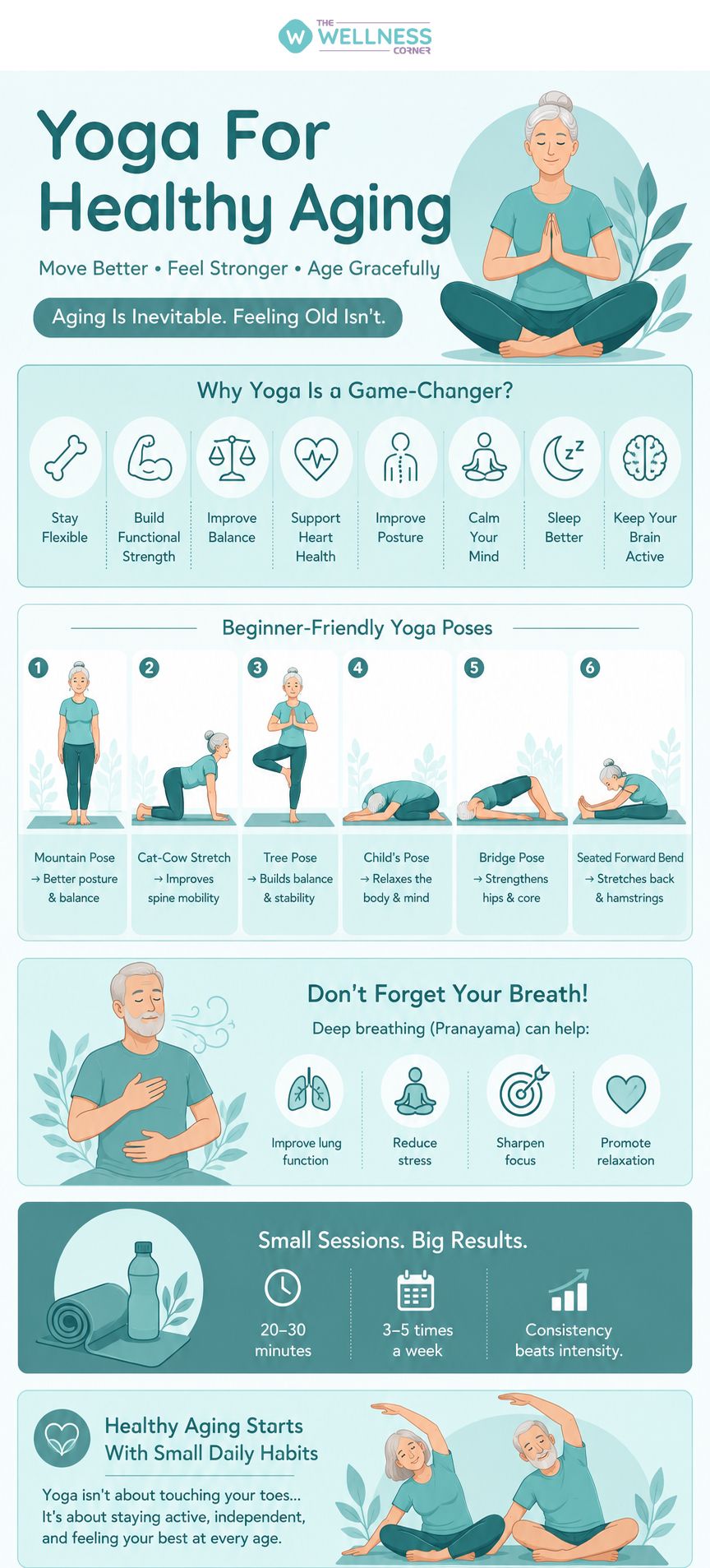
Beginner-Friendly Yoga Poses For Healthy Aging
Even simple yoga poses can provide meaningful health benefits.
Simple beginner-friendly postures include:
1. Mountain Pose
Improves posture, balance, and body awareness.
2. Cat-Cow Stretch
Enhances spinal mobility while reducing stiffness in the back and neck.
3. Tree Pose
Helps build leg strength while enhancing balance and coordination.
4. Child's Pose
Gently stretches the back and hips, helping the body unwind and relax.
5. Bridge Pose
Helps strengthen the hips, lower back, and core muscles.
6. Seated Forward Bend
Provides a soothing stretch for the hamstrings and lower back muscles.
Always practice within your comfort level and seek guidance from a qualified instructor if you are new to yoga.
Beginner Friendly Pranayama
- Anulom vilom pranayama without breath holding
- Kumbhak and bhramari pranayama
Breathing Exercises Matter Too
Yoga extends beyond physical postures.
Breathing techniques, known as pranayama, help improve:
- Lung function
- Relaxation
- Stress management
- Mental focus
Simple deep breathing exercises practiced for just a few minutes each day can positively influence overall well-being.
Safe Yoga Practices For Healthy Aging
To maximize benefits while reducing injury risk:
- Warm up before beginning.
- Move slowly and mindfully.
- Never force a stretch.
- Use props such as blocks or chairs when needed.
- Wear comfortable clothing.
- Stay hydrated.
- Listen to your body's limits.
If you have chronic health conditions, recent injuries, or balance concerns, consult your healthcare provider before starting a new exercise program.
Consistency Matters More Than Intensity
You do not need hour-long sessions every day.
Practicing yoga for 20 to 30 minutes several times each week can produce meaningful improvements over time.
Small, regular efforts often provide greater long-term benefits than occasional intense workouts.
The goal is not perfection. It is creating a sustainable habit that supports lifelong wellness.
Final Thoughts
Aging is a natural journey, but maintaining strength, flexibility, balance, and emotional well-being can help you enjoy every stage of life with greater confidence.
Yoga provides a simple and effective way to support both physical and mental well-being. Whether your goal is to improve mobility, reduce stress, sleep better, or simply stay active, yoga provides benefits that extend well beyond the mat.
Starting with a few simple poses today may contribute to a healthier, more independent tomorrow.
Support Healthy Aging With The Wellness Corner
Healthy aging is built through consistent daily habits, and yoga is just one piece of the puzzle. Proper nutrition, regular movement, stress management, preventive healthcare, and emotional well-being all play essential roles in maintaining long-term vitality.
The Wellness Corner offers expert-backed guidance on fitness, nutrition, mindfulness, preventive care, emotional wellness, and healthy lifestyle practices to help you stay active, resilient, and healthier at every stage of life.
Because growing older is inevitable, but aging well is something you can actively support every day.
Frequently Asked Questions (FAQs)
Leave a Comment

Sign-Up Now & Unlock
₹100 Cashback
Recently Published
Related Articles


Health Checks @ Home
Service
Explore



Follow us on:


© 2026 Truworth Health Technologies Pvt. Ltd.