Your Complete Guide To Skin Barrier Repair
9 days ago
6 minute read.
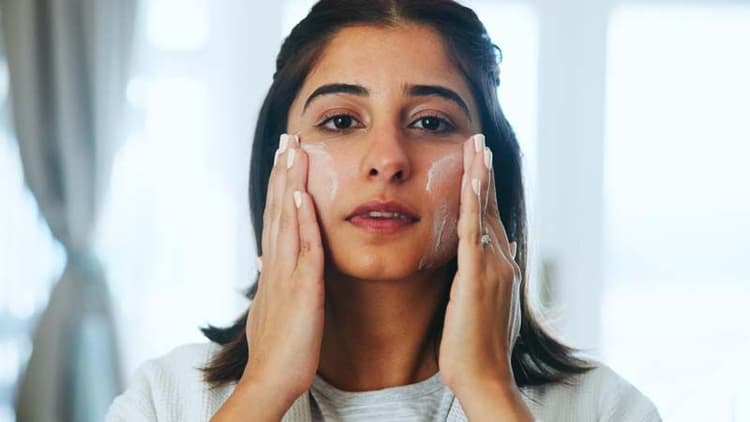
Strong, resilient skin begins with a well-functioning skin barrier. Yet many people unknowingly damage this protective layer through over-cleansing, excessive exfoliation, harsh skincare products, sun exposure, or environmental stress. When the skin barrier becomes compromised, it may lead to dryness, irritation, redness, sensitivity, and even frequent breakouts.
If you've been wondering why your skincare products suddenly sting or why your skin never seems to feel hydrated despite using moisturizers, your skin barrier could be asking for attention.
The encouraging news is that the skin barrier has an impressive ability to recover when given the right care. Whether you're dealing with seasonal dryness, recovering from aggressive skincare treatments, or simply looking to improve your skin's resilience, understanding how the skin barrier works is the first step toward healthier skin.
In this guide, we'll explore what the skin barrier is, why it matters, signs of damage, and practical ways to support its repair.
Also Read: 5 Ingredients Your Skin Barrier Will Love
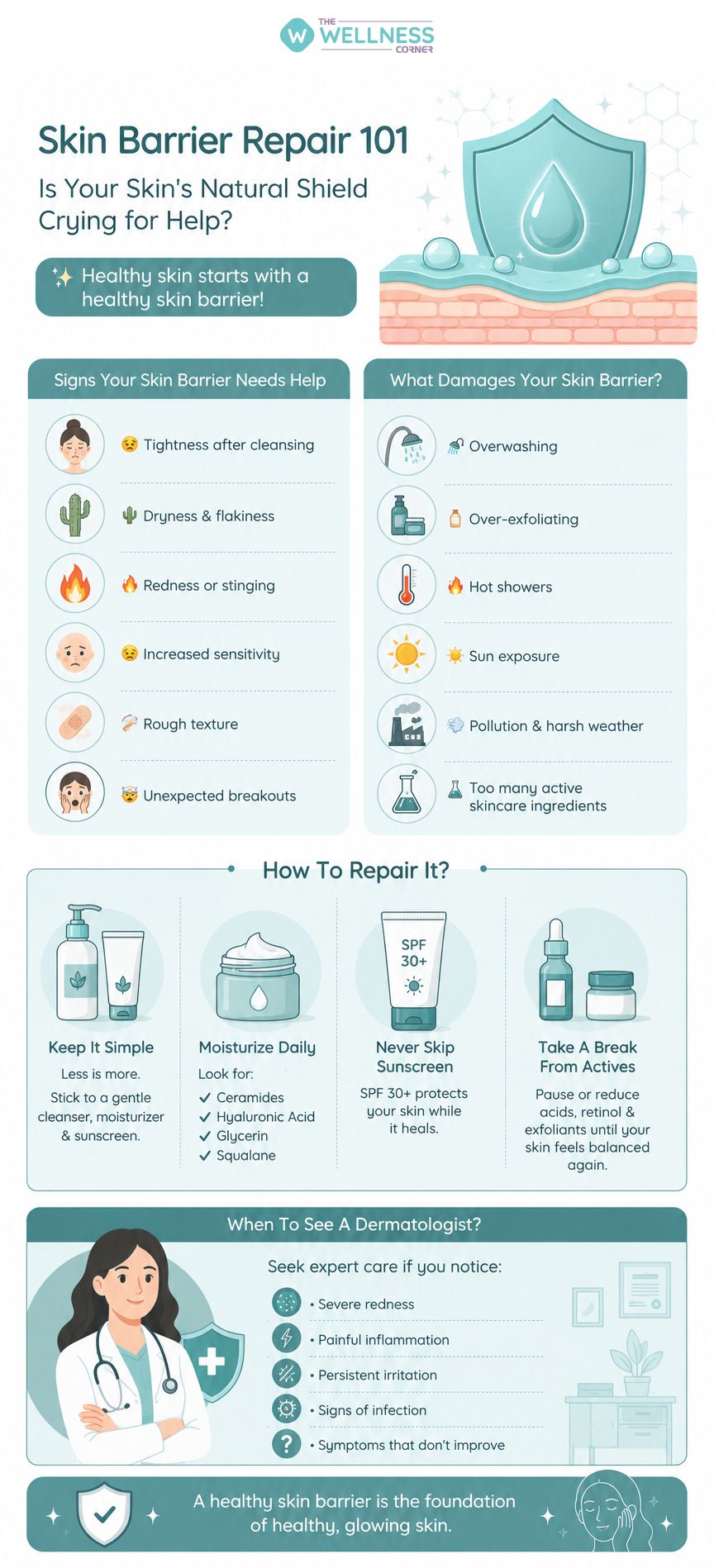
What Is The Skin Barrier?
The skin barrier refers to the outermost layer of your skin, often called the stratum corneum. It functions as your body's first line of defense against the outside world.
It works like a natural protective barrier that serves to:
- Prevent moisture loss
- Block bacteria and pollutants
- Protect against allergens
- Reduce irritation from environmental factors
- Maintain healthy hydration levels
A healthy skin barrier keeps water inside while preventing harmful substances from entering. When this balance is disrupted, various skin concerns may develop.
Why Is Skin Barrier Health So Important?
Many skincare routines focus on treating visible concerns like acne, pigmentation, or wrinkles. However, none of these treatments work optimally if the skin barrier is compromised.
A healthy barrier supports:
1. Better Hydration
It helps retain moisture, keeping the skin soft and supple.
2. Reduced Sensitivity
Healthy skin is generally more resilient against environmental triggers.
3. Faster Recovery
The skin heals more efficiently when its protective layer is functioning well.
4. Improved Product Performance
Skincare ingredients often work better when applied to skin with an intact barrier.
Also Read - “Clean Beauty”: How Skincare Is Becoming More Natural And Eco-Friendly?
Common Causes Of Skin Barrier Damage
Several everyday habits can gradually weaken your skin's natural defenses.
1. Overwashing
Cleansing too frequently or using harsh cleansers may strip away natural oils.
2. Excessive Exfoliation
Overusing chemical exfoliants or physical scrubs can compromise the protective layer.
3. Hot Water
Very hot showers may remove essential lipids that help maintain the skin barrier.
4. Sun Exposure
Ultraviolet radiation contributes to inflammation and barrier disruption over time.
5. Environmental Factors
Dry air, pollution, seasonal changes, and wind exposure can all affect barrier health.
6. Strong Active Ingredients
Retinoids, acids, and certain acne treatments are highly effective but may irritate the skin if introduced too quickly.

Signs Your Skin Barrier May Need Repair
Your skin often provides clear signals when its protective layer becomes weakened.
Common signs include:
- Persistent dryness
- Tightness after cleansing
- Increased sensitivity
- Burning or stinging when applying skincare
- Redness
- Flakiness
- Rough texture
- Frequent irritation
- Breakouts despite following a skincare routine
If several of these symptoms sound familiar, it may be time to shift your focus from treating individual skin concerns to supporting your skin barrier.
Also Read - Your Skin Remembers: Understanding What It Means And How To Reset It?
Simplify Your Skincare Routine
A damaged skin barrier usually benefits from a more minimal skincare routine.
Instead of layering numerous active ingredients, focus on a gentle routine.
A basic approach may include:
- Mild cleanser
- Barrier-supporting moisturizer
- Broad-spectrum sunscreen during the day
Reducing unnecessary products gives your skin an opportunity to recover.
Choose Gentle Cleansers
Harsh cleansers containing strong detergents may remove the oils that help protect your skin.
Instead, look for cleansers that:
- Clean effectively without stripping moisture
- Maintain the skin's natural pH
- Leave the skin feeling comfortable after washing
If your skin feels dry or uncomfortably tight after washing, your cleanser may be too strong for your skin.
Also Read: Tips To Avoid Dry Skin
Moisturize Consistently
Moisturizers play a central role in barrier repair.
Look for products containing ingredients such as:
1. Ceramides
Ceramides are naturally found within the skin and help strengthen its protective structure.
2. Glycerin
This humectant attracts water into the skin, supporting hydration.
3. Hyaluronic Acid
It helps maintain moisture levels and improves skin comfort.
4. Squalane
Squalane supports softness while reinforcing the skin's natural barrier.
Applying moisturizer while the skin is still slightly damp may further improve hydration.
Protect Your Skin From The Sun
Sun exposure is one of the most significant contributors to skin barrier damage.
Daily sunscreen helps protect against:
- UV damage
- Premature aging
- Pigmentation
- Inflammation
Choose a broad-spectrum sunscreen with SPF 30 or higher and apply it consistently, even on cloudy days.
Also Read: You Need UV Protection Everyday
Avoid Overusing Active Ingredients
Ingredients like retinol, glycolic acid, salicylic acid, and vitamin C offer many skincare benefits. However, using too many actives together may overwhelm the skin.
If your barrier feels compromised:
- Reduce exfoliation frequency.
- Introduce active ingredients gradually.
- Alternate stronger treatments instead of combining them.
- Allow recovery days between intensive products.
Balance is often more effective than intensity.
Support Skin Health From Within
Topical skincare is only one part of achieving healthy, resilient skin.
Lifestyle habits also matter.
1. Stay Hydrated
Adequate water intake supports overall skin function.
2. Eat A Balanced Diet
Include foods rich in:
- Healthy fats
- Vitamin C
- Vitamin E
- Zinc
- Antioxidants
These nutrients support normal skin health.
3. Prioritize Sleep
The skin performs many repair processes during sleep.
Aim for 7 to 9 hours of quality rest each night whenever possible.
4. Manage Stress
Chronic stress may contribute to inflammation and worsen certain skin conditions.
Practices such as meditation, deep breathing, yoga, or regular physical activity can support overall well-being.
Be Patient During Recovery
Skin barrier repair does not happen overnight.
Depending on the severity of damage, improvement may take anywhere from several days to several weeks.
During recovery:
- Avoid experimenting with multiple new products.
- Maintain consistency.
- Give your skin time to heal.
Giving your skin time to recover is often more effective than frequently switching products.
When Should You See A Dermatologist?
While many cases of barrier damage improve with gentle skincare, persistent symptoms deserve professional evaluation.
Consider consulting a dermatologist if you experience:
- Severe redness
- Ongoing irritation
- Painful inflammation
- Skin infections
- Persistent eczema
- Symptoms that persist even after trying self-care measures
A professional evaluation helps identify underlying skin conditions that may require targeted treatment.
Final Thoughts
Your skin barrier quietly performs one of the most important jobs in protecting your overall skin health. When it becomes compromised, even the best skincare products may struggle to deliver the results you expect.
The good news is that supporting barrier repair often involves simple, consistent habits: using gentle cleansers, moisturizing regularly, protecting your skin from the sun, avoiding excessive exfoliation, and giving your skin the time it needs to recover.
Using more skincare products doesn't necessarily lead to healthier skin. More often, it is about providing your skin with the care and balance it needs to function at its best.
Support Your Skin Health With The Wellness Corner
Healthy skin reflects overall wellness. Along with a consistent skincare routine, nutrition, hydration, sleep, stress management, and preventive healthcare all contribute to maintaining resilient skin.
The Wellness Corner provides expert-backed guidance on nutrition, fitness, mental well-being, preventive healthcare, healthy lifestyle practices, and overall wellness, helping you make informed choices that support both your skin and your health.
Frequently Asked Questions (FAQs)
Leave a Comment

Sign-Up Now & Unlock
₹100 Cashback
Recently Published
Related Articles


Health Checks @ Home
Service
Explore



Follow us on:


© 2026 Truworth Health Technologies Pvt. Ltd.