Diseases That Are Directly Linked To Poor Kidney Health
4 months ago
6 minute read.

Your kidneys work around the clock, yet they rarely receive the attention they deserve. These two bean-shaped organs filter waste, remove excess fluids, balance minerals, regulate blood pressure, and even support the production of red blood cells. Because they perform so many essential functions, poor kidney health can affect far more than your urinary system.
Kidney disease often develops quietly, making it difficult to detect in its early stages. Many people experience few or no symptoms until kidney function has already declined significantly. Over time, unhealthy lifestyle habits, uncontrolled medical conditions, or certain medications can damage the kidneys and increase the risk of several serious diseases.
Understanding how kidney health influences the rest of your body can help you recognize risk factors early and take steps to protect your long-term well-being.
Also Read: Could Swelling In The Body Indicate Poor Kidney Health?
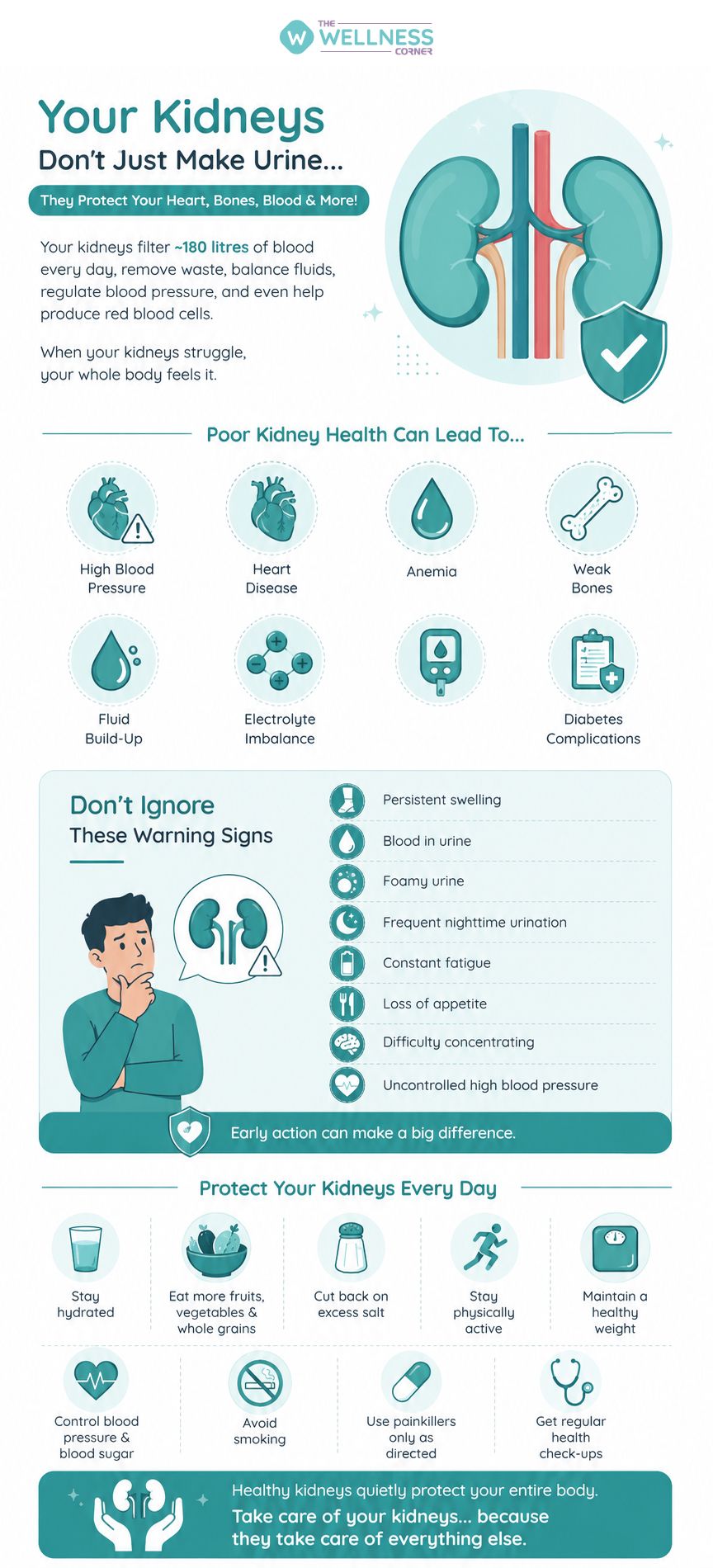
Why Healthy Kidneys Matter More Than You Think?
Healthy kidneys filter nearly 180 liters of blood every day, removing toxins while retaining nutrients your body needs. They also help maintain the right balance of water, electrolytes, and acid levels.
When the kidneys cannot perform these tasks effectively, waste products and excess fluid begin to accumulate in the body. This imbalance may gradually affect multiple organs, leading to complications that extend well beyond the kidneys themselves.
Let's explore some of the major health conditions closely associated with poor kidney health.

1. Chronic Kidney Disease
Chronic Kidney Disease (CKD) is one of the most common conditions linked to declining kidney function. It develops gradually over months or years as the kidneys lose their ability to filter blood efficiently.
In the early stages, CKD may not cause noticeable symptoms. As kidney function worsens, people may experience:
- Persistent fatigue
- Swelling in the feet, ankles, or hands
- Changes in urination
- Loss of appetite
- Difficulty concentrating
- Muscle cramps
Early diagnosis can slow disease progression and reduce the risk of complications.
2. High Blood Pressure
Kidney disease and high blood pressure influence each other in several ways.
Damaged kidneys struggle to regulate fluid and sodium levels, which may contribute to elevated blood pressure. At the same time, uncontrolled hypertension can damage the delicate blood vessels inside the kidneys, creating a cycle of worsening kidney function.
Keeping blood pressure within a healthy range is one of the most effective ways to protect kidney health.
Also Read - DASH Diet: Healthy Eating To Lower Your Blood Pressure

3. Heart Disease
Poor kidney health significantly increases the risk of cardiovascular disease.
When kidney function declines, the body may retain excess fluid and experience changes in blood pressure, inflammation, and mineral balance. These changes place additional strain on the heart and blood vessels.
People with chronic kidney disease are at greater risk of:
- Heart attack
- Heart failure
- Stroke
- Irregular heart rhythms
Protecting your kidneys also supports better heart health.
4. Anemia
Healthy kidneys release erythropoietin, a hormone that encourages the bone marrow to produce red blood cells.
When kidney function declines, the production of this hormone may decrease, leading to anemia.
Common symptoms include:
- Constant tiredness
- Weakness
- Pale skin
- Shortness of breath
- Reduced exercise tolerance
Managing kidney disease often includes monitoring and treating anemia when necessary.
Also Read: Diet To Prevent Anemia And Improve Hemoglobin
5. Bone Disorders
Strong bones depend on a healthy balance of calcium, phosphorus, and vitamin D. The kidneys help regulate and maintain this essential balance within the body.
Reduced kidney function can interfere with these processes, increasing the risk of weakened bones and fractures over time.
People with advanced kidney disease may experience:
- Bone pain
- Muscle weakness
- Increased fracture risk
Proper medical management helps reduce these complications.
6. Fluid Retention And Swelling
One of the kidneys' primary jobs is removing excess fluid from the body.
When they cannot do this efficiently, fluid may build up in different tissues, causing swelling, particularly in the:
- Feet
- Ankles
- Legs
- Hands
- Face
In severe cases, fluid accumulation can also affect the lungs, making breathing more difficult.
7. Electrolyte Imbalances
Healthy kidneys carefully regulate minerals such as potassium, sodium, calcium, and phosphorus.
Poor kidney function may cause these electrolyte levels to become too high or too low, affecting nerve signals, muscle function, and heart rhythm.
For example, elevated potassium levels can become a medical emergency if left untreated.
8. Increased Risk Of Diabetes Complications
One of the leading contributors to kidney disease worldwide is diabetes.
Over time, high blood sugar can damage the tiny blood vessels responsible for filtering blood inside the kidneys.
Once kidney damage develops, managing diabetes becomes even more important to slow further progression and reduce complications.
Regular kidney screening is recommended for people living with diabetes.
Also Read: 6 Simple Diet Tips To Protect Your Kidneys If You Have Diabetes

Warning Signs You Shouldn't Ignore
Kidney disease often develops quietly, but some symptoms deserve medical attention.
Seek medical guidance if you experience any of these warning signs:
- Persistent swelling
- Blood in the urine
- Foamy urine
- Frequent nighttime urination
- Ongoing fatigue
- Loss of appetite
- Difficulty concentrating
- High blood pressure that remains uncontrolled
Early evaluation can help identify potential kidney problems before they become more serious.
Simple Habits That Support Kidney Health
Fortunately, many kidney problems can be prevented or managed through healthy lifestyle choices.
Consider these daily habits:
- Drink enough water throughout the day.
- Include more fruits, vegetables, and whole grains as part of your everyday meals.
- Reduce excess salt intake.
- Stay physically active.
- Maintain a healthy body weight.
- Keep blood pressure under control.
- Manage blood sugar if you have diabetes.
- Avoid smoking and limit alcohol intake.
- Use pain medications only as directed.
- Schedule regular health check-ups if you have risk factors.
Consistently following these habits can support healthy kidney function over the long term.

Who Is Most At Risk?
Some individuals have a higher likelihood of developing kidney disease.
Risk factors include:
- Diabetes
- High blood pressure
- Obesity
- Family history of kidney disease
- Heart disease
- Smoking
- Age over 60
- Long-term use of certain medications
Knowing your risk can help you take preventive action sooner.
When Should You See A Doctor?
Do not ignore persistent symptoms such as swelling, changes in urination, or ongoing fatigue.
If you have diabetes, high blood pressure, or a family history of kidney disease, regular kidney function tests are especially important.
Seeking medical advice early can help detect kidney problems before significant damage occurs and improve long-term health outcomes.
Final Thoughts
Your kidneys quietly perform hundreds of vital tasks every day, making them essential to your overall health. When kidney function declines, it can influence your heart, bones, blood, and many other body systems.
The encouraging news is that many kidney-related diseases are preventable or manageable when detected early. Healthy eating, regular exercise, staying hydrated, managing blood pressure and blood sugar, and attending routine health check-ups all contribute to better kidney health.
Taking care of your kidneys today can help protect your overall health for years to come.

Frequently Asked Questions
Leave a Comment

Sign-Up Now & Unlock
₹100 Cashback
Subscribe to our Newsletter!
Get a weekly dose of wellness tips delivered straight to your inbox.
Recently Published
Related Articles


Health Checks @ Home
Service
Explore



Follow us on:


© 2026 Truworth Health Technologies Pvt. Ltd.