Why You Are So Tired? (It Could Be This Deficiency)
3 months ago
5 minute read.

Many people today feel tired even after sleeping, resting, or taking breaks.
- You wake up exhausted.
- Afternoons feel draining.
- Simple tasks require more effort than usual.
- Concentration becomes difficult.
- Even weekends may not feel refreshing anymore.
For some individuals, this constant fatigue becomes so normal that they stop questioning it.
Modern life often encourages people to blame tiredness on:
- Busy schedules
- Stress
- Long work hours
- Poor sleep
- Screen time
And while these factors certainly matter, persistent fatigue may sometimes have another underlying cause that is often overlooked:
Nutritional deficiencies.
The body depends on vitamins, minerals, and nutrients to produce energy, support brain function, maintain oxygen circulation, and regulate overall health.
When certain nutrients become too low, the body may begin showing signs through ongoing exhaustion and low energy levels.
Understanding these deficiencies may help explain why some people feel constantly drained despite trying to live “healthy” lifestyles.
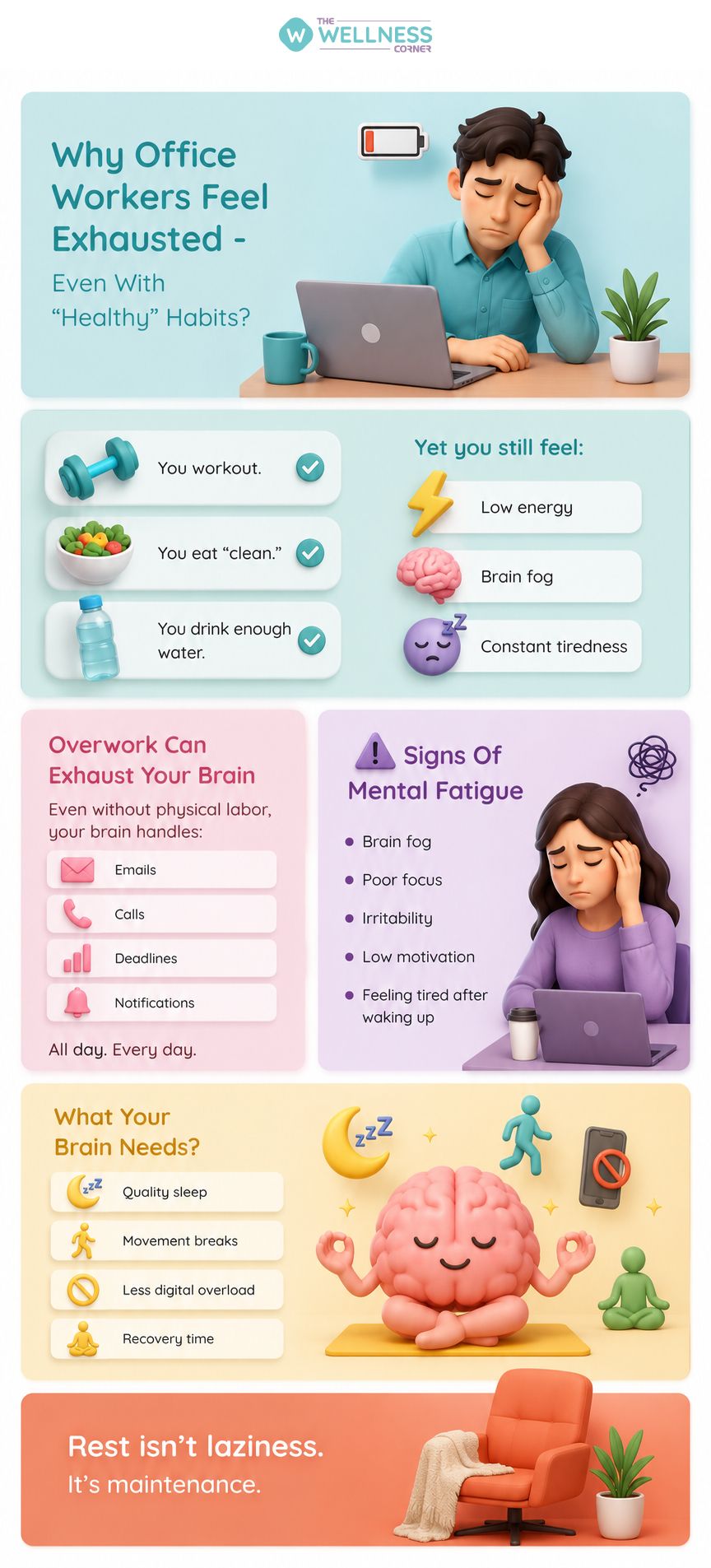
Fatigue Is Not Always Just About Sleep
Many people assume exhaustion automatically means they need more sleep.
But energy production inside the body is much more complex.
The body requires proper nutrition, hydration, hormonal balance, stress management, and recovery to function efficiently.
When one or more essential nutrients become deficient, the body may struggle to maintain normal physical and mental performance.
Common Nutrient Deficiencies Linked To Fatigue
Several deficiencies are commonly associated with tiredness and low energy.
1. Iron Deficiency
Iron deficiency is one of the most common nutritional deficiencies worldwide.
Iron helps the body produce hemoglobin, a protein in red blood cells responsible for carrying oxygen throughout the body.
When iron levels become too low, the body may struggle to deliver oxygen efficiently.
This may contribute to:
- Fatigue
- Weakness
- Dizziness
- Shortness of breath
- Difficulty concentrating
- Pale skin
Women, especially those with heavy menstrual cycles, may be more vulnerable to iron deficiency.
Also Read: Sources Of Iron Rich Foods

2. Vitamin B12 Deficiency
Vitamin B12 plays an important role in nerve function, red blood cell production, and energy metabolism.
Low B12 levels may contribute to:
- Fatigue
- Brain fog
- Weakness
- Memory problems
- Tingling sensations
People following vegetarian or vegan diets may sometimes face higher risk because B12 is primarily found in animal-based foods.
3. Vitamin D Deficiency
Vitamin D deficiency has become increasingly common, even in sunny regions.
Spending more time indoors, getting minimal sunlight, and working extended hours can all increase the likelihood of reduced vitamin D levels.
Some people with vitamin D deficiency report symptoms such as:
- Fatigue
- Low mood
- Muscle weakness
- Body aches
- Reduced motivation
Vitamin D supports several important functions beyond bone health alone.
Also Read: 9 Signs Of Vitamin D Deficiency (And How To Recover From It)

4. Magnesium Deficiency
Magnesium plays a role in numerous important biochemical functions throughout the body.
It plays a role in:
- Muscle function
- Nerve signaling
- Sleep regulation
- Energy production
Low magnesium levels may contribute to:
- Fatigue
- Muscle cramps
- Poor sleep
- Stress sensitivity
- Weakness
Highly processed diets sometimes provide inadequate magnesium intake.
5. Protein Deficiency Or Poor Nutrition Balance
Not all fatigue comes from vitamin deficiencies alone.
Sometimes people consume enough calories but insufficient protein or balanced nutrients.
Restrictive diets, meal skipping, and highly processed foods may reduce the body’s ability to maintain stable energy levels.
Also Read: 6 High Protein Snacks To Keep In The Office For Your 4 PM Hunger
Why Modern Lifestyles Increase Deficiency Risks?
Even individuals who appear healthy externally may develop nutritional gaps.
Several modern habits contribute to this risk:
- Skipping meals
- Chronic stress
- Highly processed foods
- Excess caffeine
- Poor sleep
- Sedentary routines
- Restrictive dieting
- Long indoor working hours
Busy lifestyles sometimes prioritize convenience over nutritional quality.
Signs Your Fatigue May Be More Than “Normal Tiredness”
Occasional tiredness is normal.
But persistent exhaustion deserves attention, especially when it interferes with daily life.
Some warning signs include:
- Constant low energy
- Difficulty focusing
- Feeling tired despite sleep
- Frequent headaches
- Weakness
- Mood changes
- Poor concentration
- Shortness of breath
- Dizziness
Persistent fatigue should not always be ignored or normalized.

Why Self-Diagnosing Online Can Be Misleading?
Many people immediately assume they have a specific deficiency after reading symptoms online.
However, fatigue has many possible causes.
These may include:
- Stress
- Sleep disorders
- Hormonal imbalances
- Mental health concerns
- Medical conditions
- Lifestyle factors
- Nutritional deficiencies
This is why proper medical evaluation matters.
Blood tests and professional assessment may help identify the actual cause more accurately.
Can Supplements Solve Everything?
Supplements may help when genuine deficiencies exist.
However, taking excessive supplements without guidance is not always safe or necessary.
More is not always better.
In some cases, unnecessary supplementation may create other health problems.
Balanced nutrition, medical guidance, and individualized care remain important.
Foods That May Support Energy Levels
A balanced diet often plays a major role in supporting long-term energy.
Nutrient-rich foods may include:
- Leafy greens
- Eggs
- Legumes
- Nuts and seeds
- Lean proteins
- Whole grains
- Dairy products
- Fish
- Fruits and vegetables
Hydration also matters because dehydration itself may contribute to tiredness and headaches.
Sleep, Stress, And Recovery Still Matter Too
Even perfect nutrition cannot fully compensate for chronic sleep deprivation or ongoing stress.
Energy levels are influenced by multiple interconnected factors.
True wellness usually requires attention to:
- Sleep quality
- Mental health
- Movement
- Nutrition
- Stress management
- Work-life balance
Fatigue is often multifactorial rather than caused by one single issue alone.
Also Read: Your Office Lighting Could Be Affecting Mental Health
Why People Often Ignore Persistent Fatigue?
Many individuals continue functioning despite constant exhaustion because modern culture normalizes burnout.
People often say:
- “I’m just busy.”
- “Everyone feels tired.”
- “I’ll rest later.”
But the body’s warning signs should not always be dismissed.
Persistent fatigue may sometimes signal that the body needs attention, recovery, or medical evaluation.
The Bigger Picture: Energy Is A Reflection Of Overall Health
Energy levels are influenced by much more than motivation or willpower.
The body functions best when it receives proper nourishment, rest, emotional balance, and recovery.
Instead of chasing quick energy fixes constantly, focusing on sustainable health habits may support long-term well-being more effectively.
Sometimes ongoing fatigue is not laziness.
It may simply be the body asking for support.
Improve Your Wellness Journey With The Wellness Corner
Understanding nutrition, stress, recovery, and preventive health is essential for maintaining healthy energy levels in modern life.
The Wellness Corner offers expert-backed support for nutrition, emotional wellness, fitness, preventive care, stress management, and healthier lifestyle habits to help individuals make informed health decisions and build sustainable well-being.
Because better health often begins by listening to what your body is trying to say.
Frequently Asked Questions (FAQs)
Leave a Comment

Sign-Up Now & Unlock
₹100 Cashback
Subscribe to our Newsletter!
Get a weekly dose of wellness tips delivered straight to your inbox.
Recently Published
Related Articles


Health Checks @ Home
Service
Explore



Follow us on:


© 2026 Truworth Health Technologies Pvt. Ltd.