Paneer Vs. Chole Vs. Soybean: Which Has More Protein?
1 month ago
6 minute read.
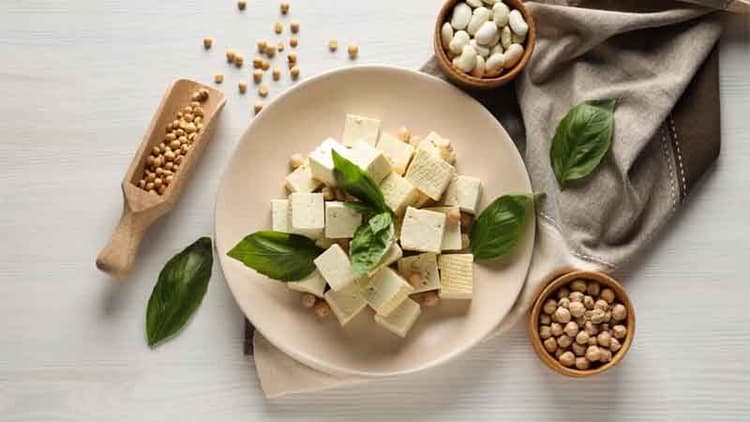
Whether you're trying to build muscle, lose weight, stay fuller for longer, or simply eat healthier, protein deserves a place on your plate. It plays a vital role in repairing tissues, supporting muscle growth, producing enzymes and hormones, and keeping your immune system functioning properly.
For vegetarians, finding good-quality protein sources is often a top priority. Among the most popular options are paneer, chhole (chickpeas), and soyabean. They're affordable, widely available, and commonly used in Indian kitchens. But when it comes to protein content, are they all equally beneficial?
The answer isn't as straightforward as you might think. While all three foods are nutritious, they differ in protein content, calorie density, fat, carbohydrates, and overall nutritional value. Which one suits you best depends on your nutritional needs, personal preferences, and daily routine.
Let's take a closer look at paneer, chhole, and soyabean to see how they compare in terms of protein and where each fits into a healthy, balanced diet.
Also Read - Whey Protein VS Plant Protein: Which One Is Right For You?
Why Is Protein So Important?
Protein is among the three primary macronutrients your body relies on for everyday functioning.
It helps:
- Build and repair muscles
- Support healthy bones
- Produce enzymes and hormones
- Strengthen the immune system
- Promote satiety, helping you feel full for longer
- Maintain healthy skin, hair, and nails
Without enough protein, your body may struggle to recover from exercise, preserve muscle mass, and perform many important biological functions.
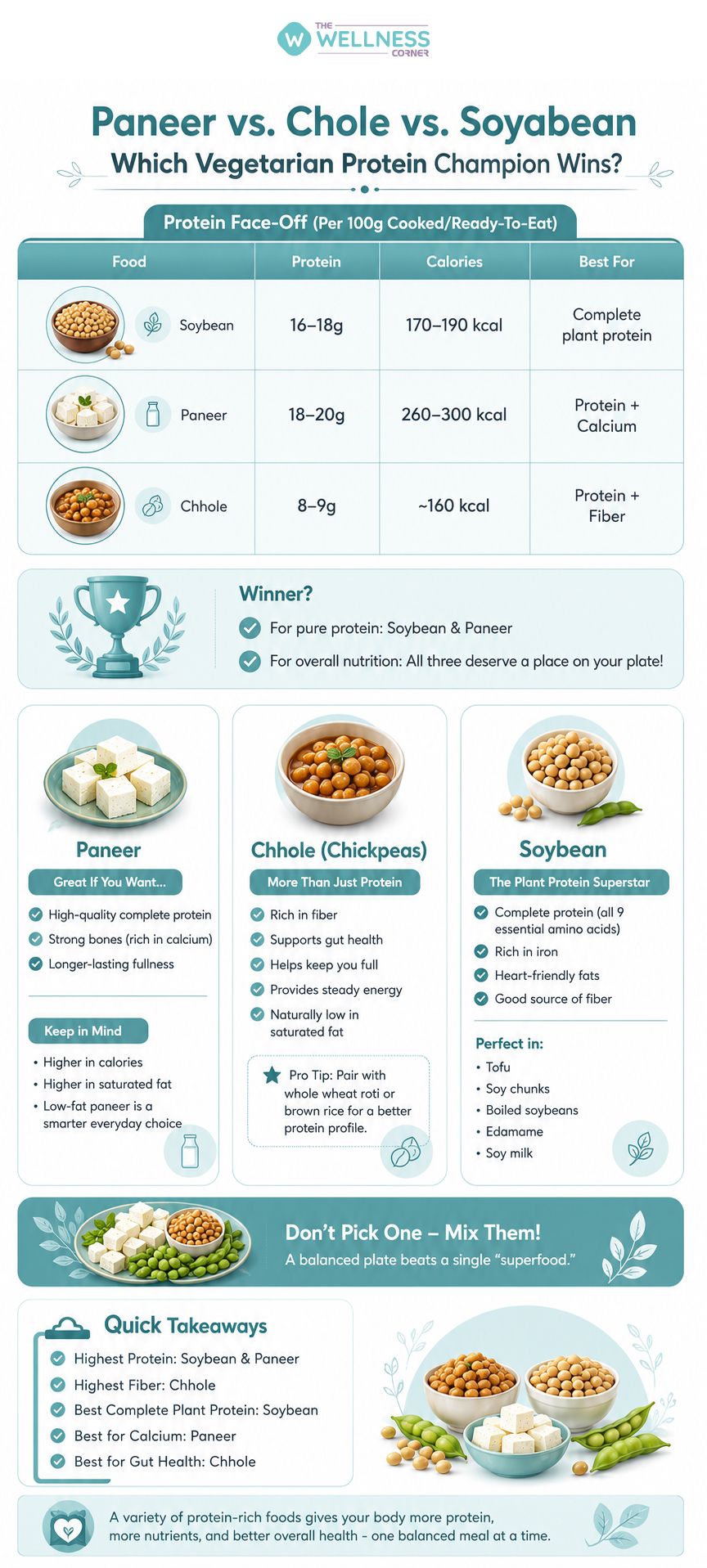
Protein Comparison: Paneer Vs Chole Vs Soyabean
Here's how these three popular foods compare based on approximately 100 grams of cooked or ready-to-eat portions.
|
Food |
Protein |
Calories |
Key Highlights |
|
Paneer |
~18–20 g |
~260–300 kcal |
Rich in protein and calcium,
but also higher in saturated fat. |
|
Cooked Chhole (Chickpeas) |
~8–9 g |
~160 kcal |
Good source of protein, fiber,
and complex carbohydrates. |
|
Cooked Soyabean |
~16–18 g |
~170–190 kcal |
High-quality plant protein with
all essential amino acids. |
Winner for Protein: Soyabean and paneer are close contenders, but soyabean provides a high amount of protein with less saturated fat than regular paneer.
Also Read: Does Soybean Consumption Affect Men's Sexual Health?

Paneer: A Protein-Rich Dairy Favorite
Paneer has long been a staple in Indian households. Made from milk, it offers high-quality protein along with calcium and phosphorus, making it beneficial for bone health.
Benefits Of Paneer
- Rich in complete protein
- Supports muscle maintenance
- Good source of calcium
- Helps promote satiety
Things To Consider
Paneer can also be relatively high in calories and saturated fat, especially full-fat varieties. If you're watching your calorie intake or managing cholesterol levels, portion size matters.
Low-fat paneer can be a healthier alternative for many people.
Chhole: More Than Just A Comfort Food
Chhole, or chickpeas, may not contain as much protein as paneer or soybeans, but they offer several nutritional advantages.
They're packed with:
- Dietary fiber
- Complex carbohydrates
- Iron
- Folate
- Magnesium
The combination of protein and fiber helps keep you feeling satisfied for longer and supports digestive health.
Why Choose Chhole?
- Excellent for gut health
- Supports heart health
- Helps maintain steady energy levels
- Naturally low in saturated fat
Pairing chickpeas with whole grains like brown rice or whole wheat roti can further improve the overall protein quality of the meal.
A Recipe: Easy To Make-Chickpea Sprouts Salad

Soyabean: The Plant Protein Powerhouse
When it comes to vegetarian protein sources, soybean often stands out.
Unlike many plant foods, soy contains all nine essential amino acids, making it a complete protein comparable to animal-based protein sources.
Benefits Of Soybean
- High-quality complete protein
- Rich in iron and potassium
- Contains healthy unsaturated fats
- Provides fiber
- May contribute to heart health when enjoyed as part of a well-balanced diet.
Soyabean is available in several forms, including whole soybeans, tofu, soy chunks, soy milk, and edamame, making it easy to include in different meals.
Which Is Best For Weight Loss?
If your goal is healthy weight management, all three foods can fit into your diet.
However, they offer different advantages:
Paneer
- High in protein
- Keeps you feeling full
- Higher in calories and fat
Chhole
- Moderate protein
- High fiber content
- Supports long-lasting fullness
Soyabean
- High protein
- Moderate calories
- Lower saturated fat than paneer
The best choice depends on your overall calorie intake, activity level, and nutritional needs rather than protein content alone.
Also Read: 10 Carbs You Should Avoid For Weight Loss & 10 You Can Still Eat

Which One Is Better For Muscle Building?
For muscle growth, getting enough total protein throughout the day is more important than relying on a single food.
Paneer and soybean both provide substantial amounts of protein, making them excellent options after strength training or as part of protein-rich meals.
Many active individuals also combine different protein sources throughout the day to ensure a balanced intake of nutrients.
Should You Choose Just One?
Not at all.
Each food contributes something unique to a healthy eating pattern.
- Paneer offers protein and calcium.
- Chole provides fiber, vitamins, minerals, and plant-based protein.
- Soybean delivers complete protein along with beneficial nutrients.
Rather than choosing one over the others, including a variety of protein-rich foods can help create a more balanced and nutritious diet.

Simple Ways To Add Them To Your Daily Meals
Here are some practical ideas:
- Add grilled paneer to salads or wraps.
- Prepare chhole with minimal oil and pair it with whole grains.
- Add boiled soybeans to salads or stir-fries.
- Include tofu in curries and vegetable dishes.
- Use roasted chickpeas or soy nuts as healthy snacks.
- Combine different legumes throughout the week for dietary variety.
Small dietary changes can help increase your daily protein intake without making meals complicated.
The Bottom Line
So, which has more protein: paneer, chhole, or soyabean?
If you're looking purely at protein content, soybean and paneer lead the comparison, while chhole offers a moderate amount of protein along with impressive fiber and micronutrient benefits.
That said, no single food is the perfect choice for everyone. Your ideal option depends on your health goals, calorie needs, medical conditions, and overall eating pattern.
Instead of focusing on one protein source, aim for a diverse diet that includes legumes, dairy or dairy alternatives, whole grains, nuts, and seeds. Variety not only improves protein intake but also ensures your body receives a broader range of essential nutrients.
Frequently Asked Questions
Leave a Comment

Sign-Up Now & Unlock
₹100 Cashback
Subscribe to our Newsletter!
Get a weekly dose of wellness tips delivered straight to your inbox.
Recently Published
Related Articles


Health Checks @ Home
Service
Explore



Follow us on:


© 2026 Truworth Health Technologies Pvt. Ltd.